
YouTube Channel and Websites as a Winery in the Pacific Northwest
In the fiercely competitive Pacific Northwest wine industry, a world-class website and a vibrant YouTube channel are no longer optional—they are the foundation of your winery’s growth, brand, and direct-to-consumer success.
This comprehensive guide, written by a web designer specializing in wineries, will show you exactly how to stand out, connect, and convert in 2026 and beyond.
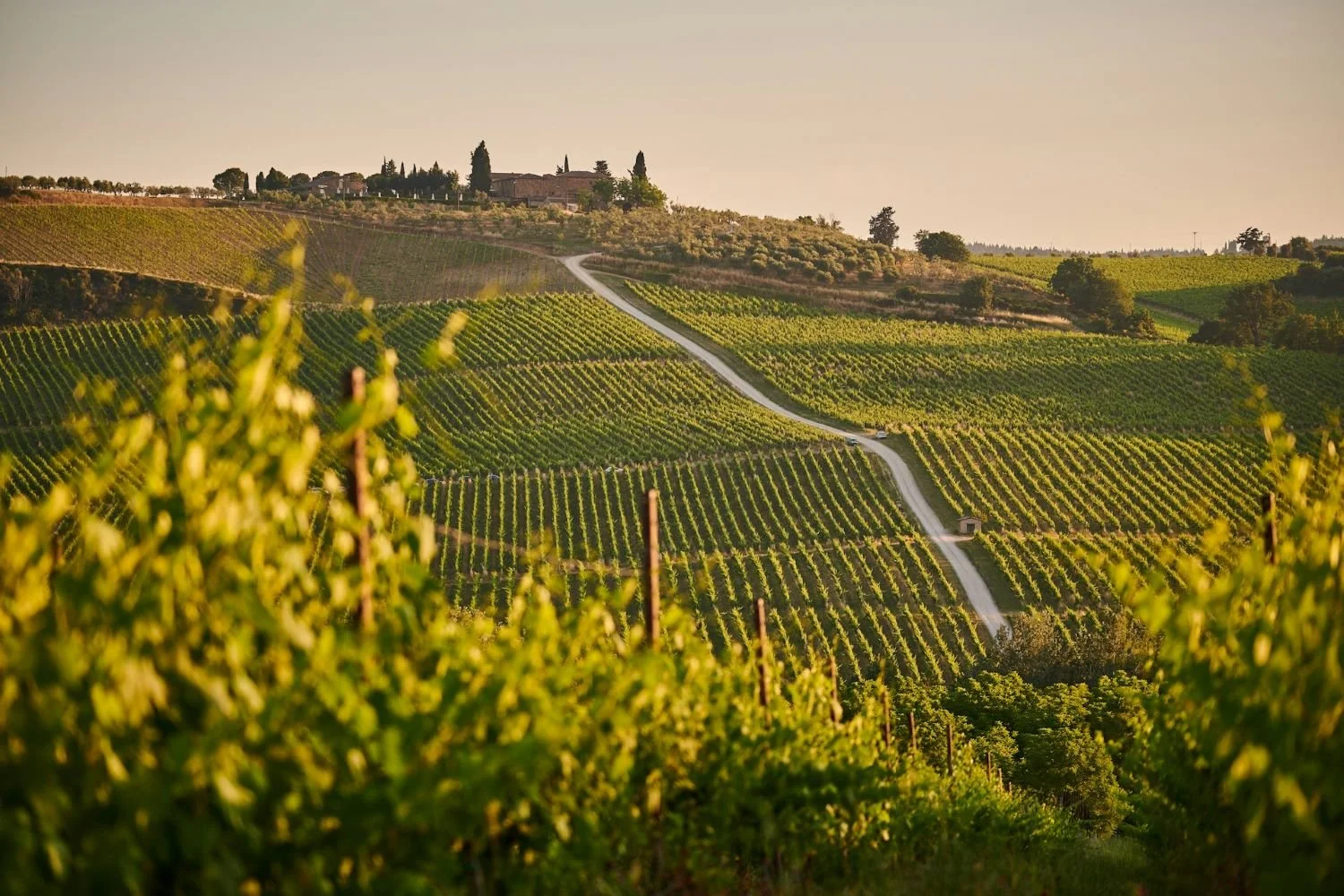
PART 1 — Introduction: The Digital Stakes for Pacific Northwest Wineries
The Pacific Northwest wine scene remains one of the most dynamic and exciting regions in the world in 2026. With over 1,200 wineries in Washington and 1,200+ in Oregon, the competition is more intense than ever. Washington State continues to produce over 10.5 million cases annually, while Oregon's wine industry is thriving with a focus on quality and sustainability, producing over 6 million cases annually. The region continues to grow as a global wine tourism destination, with economic impacts exceeding $12 billion across Washington and Oregon combined.
Amidst this growth, your digital presence—your website and YouTube channel—has become your most powerful tool. These platforms are no longer just for information; they are your first impression, your storytelling engine, and your direct-to-consumer (DTC) sales powerhouse. In an era wheremore than 60% of winery sales are now DTC, having an optimized digital presence is the key to thriving in this saturated market.
This guide will help you craft an engaging, high-performing website and a YouTube channel that brings your winery's story to life, driving traffic, increasing sales, and turning casual visitors into loyal customers. Whether you’re a boutique Pinot Noir producer in the Willamette Valley or a legacy Cabernet house in the Columbia Valley, this playbook is your roadmap to standing out in 2026.
PART 2 — The PNW Wine Landscape and Why Digital Presence Matters
The Pacific Northwest is one of the world’s most exciting wine regions, defined by diversity, innovation, and a relentless focus on quality.
Here’s what makes it unique—and why your digital presence is mission-critical.
Key AVAs and Regional Strengths
Washington:
Columbia Valley (the state’s largest AVA), Yakima Valley (Washington’s first AVA), Walla Walla Valley (renowned for Cabernet Sauvignon, Merlot, Syrah), Red Mountain, Horse Heaven Hills, and Wahluke Slope.
Over 80 grape varieties grown across 21 federally recognized AVAs, with more than 50,000 acres planted.
Oregon:
Willamette Valley (globally acclaimed for Pinot Noir), Southern Oregon (Rogue Valley, Umpqua Valley), Columbia Gorge (straddling the Oregon-Washington border).
Oregon’s vineyard count has nearly doubled since 2005. 70% of Oregon wineries produce fewer than 5,000 cases per year, making direct-to-consumer (DTC) sales and digital marketing absolutely vital.
Notable Wineries
Washington: Chateau Ste. Michelle, Leonetti Cellar, Quilceda Creek, L’Ecole No 41
Oregon: Domaine Serene, Domaine Drouhin Oregon, Adelsheim Vineyard, King Estate
Industry Trends
Agritourism & Wine Tourism: Visitors flock to tasting rooms, vineyard tours, and wine-focused events, drawn by the region’s natural beauty and immersive experiences.
Direct-to-Consumer Sales: DTC is the lifeblood for small and mid-sized wineries, encompassing tasting room sales, wine clubs, and online orders.
Sustainability: Eco-friendly practices and certifications are increasingly important, both for brand differentiation and consumer trust.
Bottom line:
In a region defined by small producers and fierce competition, your digital presence is your most powerful tool for reaching new customers, building loyalty, and telling your unique story.
PART 3 — Your Winery Website: The Digital Tasting Room
Imagine your website as your digital tasting room—the place where first impressions are made, stories are told, and sales are closed. In 2026, your website must do the heavy lifting for your DTC business, whether your visitor is a first-time tourist or a long-time club member.
Why Your Website Is Your Digital Front Door
Your website is open 24/7, welcoming visitors from around the world. It’s where wine lovers discover your story, browse your portfolio, join your club, and book their next visit. In a world where more than half of wine sales are now DTC for many small producers, your website is your most important sales and marketing asset.
Must-Have Pages and Features
1. Stunning Homepage:
Feature breathtaking vineyard imagery and a clear, compelling headline. Your homepage should instantly communicate your winery’s personality and invite exploration.
2. Wine Shop/E-Commerce:
Organize wines by varietal, vintage, or collection.
Use high-quality bottle and vineyard photos.
Provide detailed tasting notes and food pairing suggestions.
Ensure a seamless, frictionless checkout process.
3. Wine Club/Subscription Section:
Frictionless sign-up with clear benefits.
Automated welcome emails and a member portal for managing shipments and perks.
4. Tasting Room Reservations:
Integrated booking tools with real-time availability.
Automated confirmations and mobile-friendly forms.
5. Events Calendar:
Up-to-date listings with online ticketing and easy booking links.
6. About/Story Page:
Share your winery’s history, values, team, and winemaking philosophy with compelling copy and professional photography.
7. FAQ:
Address common questions about shipping, club policies, and tasting room hours.
8. Blog:
Regularly updated with news, recipes, vineyard updates, and wine education to boost SEO and engagement.
E-Commerce Best Practices
Frictionless Checkout: Minimize steps, offer guest checkout, and display shipping costs and restrictions upfront.
Multiple Payment Options: Accept credit cards, digital wallets, and buy-now-pay-later services.
AI-Driven Product Recommendations: Upsell related wines or bundles based on browsing and purchase history.
Abandoned Cart Emails: Automate reminders to recover lost sales.
Mobile Optimization
Responsive Design: Your site must look and function beautifully on every device.
Fast Load Times: Optimize images and code for speed—Google rewards mobile-first, fast-loading sites.
Touch-Friendly Elements: Large buttons and easy-to-use forms for seamless mobile shopping and booking.
Age Gate Requirements
Legal Compliance: Require users to confirm their legal drinking age before accessing the site or making a purchase. This is non-negotiable for regulatory compliance.
ADA Compliance
Accessibility: Follow WCAG 2.1 AA standards, as recommended by the Department of Justice. This includes:
Screen reader compatibility
Keyboard navigation for all interactive elements
Alt text for every image
Clear navigation and logical content hierarchy
Risk Mitigation: Work with IT professionals and legal counsel to ensure ongoing compliance and avoid costly lawsuits.
Storytelling and Brand Building
Immersive Visuals: Use cinematic photography, video, and interactive timelines to bring your story to life.
Sustainability Messaging: Highlight eco-friendly practices, certifications, and community initiatives.
Social Proof: Display testimonials, member reviews, and user-generated content to build trust and authenticity.
Automation and Analytics
Email Marketing: Trigger personalized campaigns for welcomes, birthdays, and club renewals.
Segmentation: Target by purchase history, club status, and engagement level.
Analytics: Use Google Analytics and Search Console to track traffic, engagement, and conversions. Regularly review data to optimize your digital strategy.
Key Finding:
Your website is not just a brochure—it’s your most powerful sales, marketing, and storytelling tool. Invest in it as you would your tasting room or your best barrel of wine.
PART 4 — Choosing the Right Platform for Your Winery
Selecting the right website platform is foundational.
Here’s how to choose based on your winery’s size, goals, and resources:
Wine Industry-Specific Platforms
Commerce7:
Purpose-built for wineries, offering unified dashboards, wine club management, e-commerce, booking, and compliance tools. Ideal for wineries seeking an all-in-one solution with deep wine industry integrations.
WineDirect:
Integrates with WordPress, supports DTC sales, wine clubs, and ADA compliance features. Excellent for wineries that want robust e-commerce and club management with flexibility.
General Website Builders
WordPress:
Highly flexible and scalable, with plugins for wine club management, event calendars, reservations, SEO, and compliance. Best for most PNW wineries needing scalability and customization.
Squarespace:
Elegant, visually stunning templates and managed hosting. Ideal for small to mid-sized wineries that want a beautiful site with minimal technical overhead.
Shopify:
Best-in-class e-commerce features, secure, reliable, and scalable. Perfect for wineries prioritizing online sales and subscriptions.
Webflow:
For design-forward, custom experiences with modern interactive features and a robust CMS. Great for wineries that want to stand out with unique brand storytelling.
Showit:
Ideal for boutique wineries focused on visual storytelling and immersive design.
Platform Selection Guidance
Small/Boutique Wineries: Squarespace or Wix for beautiful, easy-to-manage sites.
E-Commerce-First Wineries: Shopify for robust online sales and subscriptions.
Design-Forward Brands: Webflow or Showit for unique, interactive sites.
Scalability and Flexibility: WordPress with Commerce7 or WineDirect for advanced features and future growth.
Pro Tip:
Choose a platform that matches your business goals, technical comfort, and growth plans. Don’t let your technology limit your winery’s potential.
PART 5 — SEO Strategies for Your Winery Website
A beautiful website is only effective if people can find it.
Here’s how to ensure your winery stands out in search results:
Local SEO
Google Business Profile: Claim and complete your profile, add high-quality photos, use Google Posts for updates, and actively request/respond to reviews.
Localized Keyword Research: Focus on long-tail, region-specific keywords like “best wine tasting rooms in Walla Walla,” “Yakima Valley Syrah,” or “Oregon Pinot Noir tasting room.”
Schema Markup: Implement LocalBusiness (Winery), Product (wines), Event (tastings, festivals), Review, and FAQ schema for enhanced search visibility.
Content Marketing
Blog Posts and Guides: Publish wine pairing guides, harvest updates, varietal spotlights, and event recaps targeting local and wine-related keywords.
Backlink Building: Partner with local tourism boards, hotels, restaurants, and travel bloggers for high-quality backlinks.
User-Generated Content: Feature customer photos, stories, and reviews to boost authenticity and SEO.
Technical SEO
Mobile Optimization: Google rewards fast, mobile-friendly sites.
Page Speed: Optimize images and code for quick load times.
Meta Descriptions and Alt Text: Ensure all images and pages have descriptive, keyword-rich metadata.
Key Takeaway:
SEO is not a one-time task—it’s an ongoing strategy. Invest in content, local optimization, and technical excellence to keep your winery visible and competitive.
PART 6 — Design Trends for 2026
The best winery websites in 2026 blend timeless elegance with cutting-edge technology.
Here’s what’s trending:
Handcrafted, Brand-Driven Visuals: Custom layouts, dramatic typography, and immersive imagery that reflect your winery’s unique story and terroir.
Editorial Storytelling: Scroll-driven narratives, interactive timelines, and cinematic photography bring your brand to life.
Sustainability Storytelling: Eco-friendly design elements, sustainability dashboards, and certification badges showcase your commitment to the environment.
Mobile-First, Responsive Design: Essential for engaging younger consumers and meeting Google’s ranking criteria.
Virtual and Augmented Reality: 360-degree tours, AR wine labels, and interactive vineyard maps are emerging features for immersive experiences.
AI-Driven Personalization: Dynamic content and product recommendations tailored to each visitor.
Social Commerce Integration: Embedding Instagram and Facebook feeds, leveraging short-form video content.
Clear Calls-to-Action: Prominent “Shop Now,” “Join the Club,” and “Book a Tasting” buttons on every page.
Trust Signals: High-quality imagery, testimonials, transparent policies, and visible certifications.
Neoclassical Design Principles: Lightweight pages, clear content hierarchy, and fast performance.\
Design Insight:
Your website should feel as memorable and inviting as your tasting room—distinctive, authentic, and easy to navigate.
PART 7 — Your Winery’s YouTube Channel: Why Video Is Non-Negotiable
If your website is your digital tasting room, your YouTube channel is your virtual vineyard tour, winemaker meet-and-greet, and storytelling stage—all rolled into one.
Here’s why video is essential for wineries in 2026:
Message Retention: Audiences retain 95% of a message via video, compared to just 10% via text.
Sales Impact: 80% of video marketers in the alcohol sector report that video has directly increased sales.
Engagement: 59% of consumers spend at least a quarter of their social media time watching videos.
Top Channel: YouTube was ranked the #1 top-performing video marketing channel in 2025.
Lead Generation: 38% of businesses use video to generate leads and drive sales.
Short-Form Power: Videos under 3 minutes get the highest engagement in food & beverage.
Tourism Driver: Virtual tastings and tours bridge the gap between online and in-person experiences, inspiring viewers to visit your winery.
PNW Success Stories: Oregon’s Stoller Wine Group and Raptor Ridge are leading examples of wineries using YouTube to connect, educate, and drive real business results.
Key Finding:
Video is the most powerful way to humanize your brand, showcase your landscape, and turn digital fans into loyal customers and tasting room guests.
PART 8 — Setting Up Your Winery YouTube Channel
Ready to launch your channel?
Here’s how to do it right:
1. Professional Channel Art
Use high-resolution, on-brand imagery for your banner and profile picture.
Include your winery logo as a watermark on all videos for brand consistency.
2. Keyword-Rich Channel Description
Write a compelling description that includes your location (e.g., “Willamette Valley winery,” “Walla Walla wine”), varietals, and unique selling points.
Highlight what makes your winery and your channel special.
3. Organize Videos into Playlists
Group content by theme: “Virtual Vineyard Tours,” “Winemaker Q&A,” “Food & Wine Pairings,” “Harvest Diaries,” “Wine Education,” “Events & Announcements.”
Playlists improve discoverability and keep viewers engaged.
4. Consistent Posting Schedule
Post at least monthly; medium-sized wineries should aim for biweekly.
Consistency is more important than volume—regular uploads build audience trust.
5. Video Production Tips
Authenticity trumps high budgets—genuine, well-lit videos resonate best.
Use Full HD (1920x1080) as a standard; consider vertical formats for YouTube Shorts.
Add closed captions and subtitles for accessibility and engagement.
Use custom thumbnails with clear text overlays and branding.
6. YouTube Shorts
Create 50–60 second clips for maximum Shorts views and engagement.
7. Encourage Engagement
Respond to comments, ask questions, and encourage viewer participation.
Invite viewers to share their favorite pairings or tasting experiences.
Pro Tip:
Your YouTube channel is an extension of your tasting room—make it welcoming, informative, and true to your brand.

PART 9 — Content Ideas for Pacific Northwest Wineries
Here are 12 actionable video content ideas tailored for PNW wineries, each designed to engage, educate, and convert:
1. Virtual Vineyard Tours
Take viewers on guided walks through your vineyard, highlighting terroir, sustainability practices, and seasonal work.
Showcase the beauty of the Pacific Northwest landscape—lush valleys, rolling hills, and dramatic skies.
2. Winemaker Q&A Sessions
Interview your winemaker about their philosophy, vintage challenges, and tasting notes.
Humanize your brand and build a personal connection with your audience.
3. Harvest Diaries/Vlogs
Document the excitement and teamwork of harvest season.
Show grape picking, crush, and production—give viewers a behind-the-scenes look at the magic of winemaking.
4. Food & Wine Pairing Series
Collaborate with local chefs or restaurants to feature regional dishes paired with your wines.
Highlight the culinary richness of the Pacific Northwest and inspire viewers to try new pairings.
5. Educational Mini-Series
Create short videos on varietals (Pinot Noir, Syrah, Riesling, Cabernet Sauvignon), wine etiquette, myth-busting, and wine terminology.
Position your winery as an authority and make wine more approachable for all.
6. Sustainability & Biodynamics
Showcase your eco-friendly practices and certifications.
Share your commitment to sustainability—a key differentiator for many PNW wineries.
7. Drone Footage
Capture aerial views of your vineyards during harvest or seasonal changes.
The Pacific Northwest’s dramatic landscapes are made for stunning drone shots.
8. Event Recaps & Announcements
Highlight festivals, club events, or special releases.
Promote upcoming events and drive ticket sales with engaging video content.
9. Staff Spotlights
Introduce team members and their roles, from vineyard workers to tasting room hosts.
Build trust and a sense of community with your audience.
10. Customer Stories & Testimonials
Feature interviews with loyal customers and wine club members.
Let your fans tell your story and provide authentic social proof.
11. “Day in the Life” Videos
Follow a winemaker or viticulturist through their workday.
Offer a personal, behind-the-scenes perspective on the craft of winemaking.
12. Regional Comparisons
Compare wines from different PNW sub-AVAs (e.g., Columbia Gorge vs. Willamette Valley Pinot Noir).
Educate viewers on the diversity and richness of the region.
Content Strategy Tip:
Mix evergreen content (tours, education) with timely videos (harvest, events) to keep your channel fresh and relevant year-round.
PART 10 — YouTube SEO: Getting Your Videos Found
Creating great videos is only half the battle—getting them discovered is the other half.
Here’s how to optimize your YouTube presence:
Relevant Keywords: Use targeted keywords in titles, descriptions, and tags (e.g., “Oregon Pinot Noir,” “Willamette Valley wine tour,” “Washington state winery visit,” “Walla Walla wine tasting”).
Custom Thumbnails: Design eye-catching thumbnails with clear text overlays and brand colors.
Playlists: Group videos by topic to increase watch time and session duration.
Transcripts & Captions: Upload transcripts and enable captions for accessibility and improved search indexing.
Engagement Signals: Encourage likes, comments, and shares to boost video ranking.
Cross-Promotion: Share video clips on Instagram, Facebook, TikTok, and in email newsletters.
Website Links: Always link back to your winery website in video descriptions.
Analytics: Track YouTube Analytics to understand which content performs best and refine your strategy.
SEO Insight:
YouTube is the world’s second-largest search engine. Treat your channel like a website—optimize every detail for discovery and engagement.
PART 11 — Integrating Your YouTube Channel with Your Website
Your website and YouTube channel should work together seamlessly, creating a unified digital experience that drives engagement and sales.
Integration Strategies
Homepage Embeds: Feature a hero video or playlist on your homepage. Videos on homepages get the highest play rates and increase dwell time.
Product/Wine Pages: Embed tasting notes videos, winemaker interviews, or food pairing videos directly on individual wine product pages to aid purchase decisions.
Event Pages: Use video recaps or live event streams to promote upcoming events and drive ticket sales.
Wine Education Hub: Create a dedicated “Learn” or “Wine Education” section with embedded YouTube playlists, quizzes, and downloadable resources. This positions your winery as an authority and keeps visitors engaged.
Lead Capture: Add email sign-up forms or CTAs near/below embedded videos to convert viewers into wine club subscribers.
SEO Benefit: Embedding YouTube videos improves page SEO and increases time-on-site—a key Google ranking signal.
Email Marketing: Include video links or GIF previews in newsletters to boost click-through rates.
Social Media Cross-Promotion: Share video snippets across Instagram, Facebook, and TikTok, linking back to the full video or your website.
Analytics Integration: Track video performance alongside website traffic data to refine your overall content strategy.
Integration Tip:
The more you connect your website and YouTube channel, the more you amplify your reach, engagement, and sales.
PART 12 — Conclusion and Call to Action
In the Pacific Northwest, where over 2,000 wineries compete for attention, a beautiful, high-performing website and an authentic, engaging YouTube channel are not luxuries—they are competitive necessities. Your digital presence is your most powerful tool for telling your story, building your brand, and driving direct-to-consumer sales.
As a web designer who lives and breathes the wine industry, I know what it takes to stand out in this crowded market. From immersive websites that convert visitors into loyal customers to YouTube channels that bring your vineyard to life, I help wineries like yours thrive in the digital age.
Ready to elevate your winery’s digital presence? Let’s create a website and YouTube channel that capture your unique story, connect with your audience, and drive real business results. Reach out today for a consultation—I’d love to help your winery shine online.
Thank you for reading! If you found this post helpful, please share it with other winery owners and industry friends. Cheers to your success in the Pacific Northwest wine world!
Let’s raise a glass to your success—both in wine and beyond! 🍷
As a web designer who specializes in the wine industry, I help wineries and vineyards create beautiful, effective websites and digital marketing strategies tailored to their unique stories and audiences. If you’re ready to boost your online presence and connect with new customers, let’s have a chat about how strategic & smart web design can take your winery to the next level!
Cheers to your success in the wine industry!
Maike
The Golden Square Design Studio
Where Vision Meets Innovation
Creating Stunning & Strategic Websites for Online Success