
Welcome, winery owners, vineyard managers, and wine industry professionals in the Pacific Northwest!
Winter wine tours present a unique, underutilized opportunity for Pacific Northwest wineries to attract visitors, boost off-season revenue, and deepen customer engagement. With thoughtful tour design, strategic website presentation, and evocative winter-themed marketing, wineries can transform the quietest months into a season of warmth, education, and memorable experiences.
Table of Contents
The Allure of Winter Wine Tourism
The Pacific Northwest in Winter: Climate, Challenges, and Opportunities
Designing Winter Wine Tours: Walks, Tastings, and Experiences
Presenting Winter Wine Tours on Your Winery Website
Winter Wines: What to Pour and How to Educate
Incorporating Winter Themes Online—Without Overpowering
Photography: Moving Beyond Bare Vines and Grey Skies
Additional Suggestions: Elevating the Winter Wine Experience
Conclusion: Embracing the Winter Season
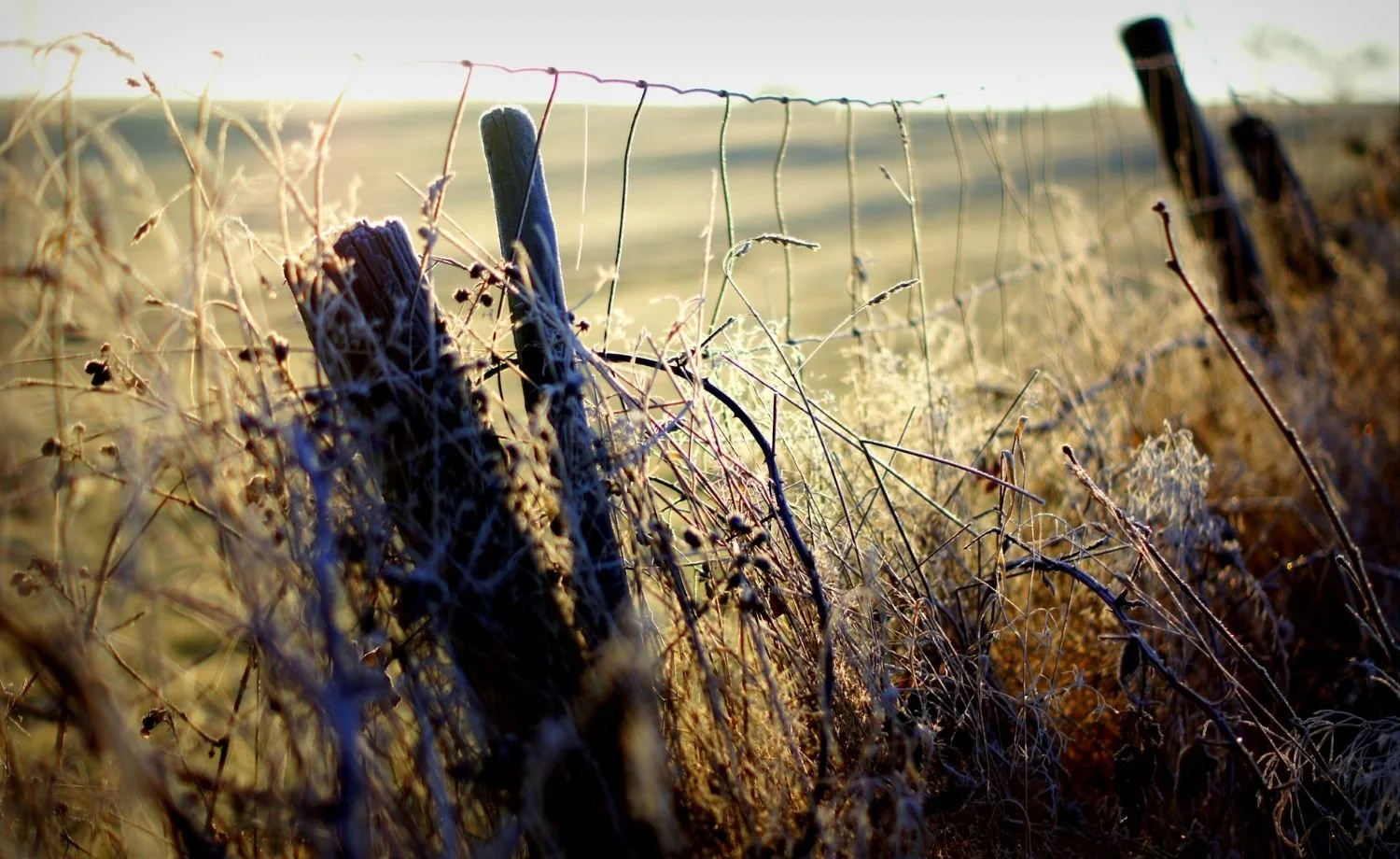
1. The Allure of Winter Wine Tourism
The Pacific Northwest (PNW)—encompassing Washington, Oregon, and parts of Northern California—is renowned for its world-class wines, dramatic landscapes, and vibrant wine culture. While the region’s vineyards burst with color and activity in spring and summer, winter brings a quieter, more contemplative beauty.
For many wineries, the colder months are seen as the off-season—a time for cellar work, pruning, and rest. But what if winter could become a season of opportunity?
As a web designer specializing in the wine industry, I’ve seen firsthand how wineries can leverage winter wine tours to attract visitors, foster loyalty, and stand out in a crowded market.
This comprehensive guide explores the practicalities and creative strategies for offering winter wine tours in the PNW, from tour design and website presentation to winter wine selections, digital marketing, and photography.
2. The Pacific Northwest in Winter: Climate, Challenges, and Opportunities
Climate and Landscape
The PNW’s winter climate varies by subregion:
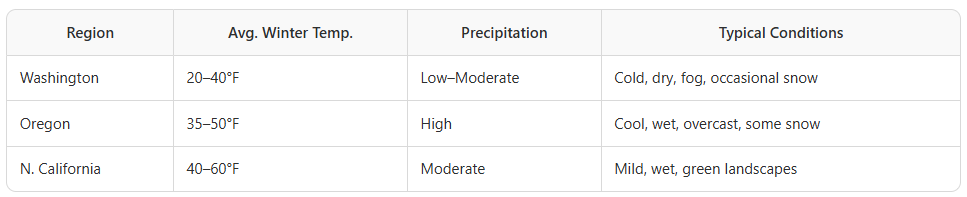
Washington’s Columbia Valley: Cold, dry, with fog and occasional snow.
Oregon’s Willamette Valley: Cool, wet, and overcast, with significant rainfall.
Northern California: Milder, with lush green hills from winter rains.
Winter Tourism Landscape
Off-Season: Visitor numbers drop, but local and regional guests are more likely to visit.
Wineries’ Response: Many reduce hours, but some offer special events, cozy indoor tastings, and educational experiences.
Opportunities: Intimate, personalized experiences; winter wine releases; and local tourism promotions.
Key Finding:
Winter is traditionally a quieter time, but with the right approach, it can become a season of connection, education, and unique experiences for guests.
3. Designing Winter Wine Tours: Walks, Tastings, and Experiences
Tour Formats: Blending Indoor and Outdoor
1. Vineyard Walks
Short, guided walks through dormant vineyards.
Focus on viticulture education: pruning, terroir, winter vineyard care.
Best paired with indoor experiences to ensure guest comfort.
2. Tasting Room Experiences
Cozy, fireside tastings with curated wine flights.
Food pairings: cheese, chocolate, or local specialties.
Intimate, small-group settings.
3. Winemaker-Led Tours
Behind-the-scenes access to cellar work and winter winemaking.
Q&A sessions with winemakers or sommeliers.
4. Workshops and Seminars
Sensory analysis, blending workshops, or food pairing classes.
Hands-on, educational, and perfect for wine enthusiasts.
Pricing and Booking
Per Person Pricing: $169–$339 per person, depending on inclusions and duration.
Digital Passports: Year-long tasting passes encourage repeat visits.
Custom and Group Rates: Discounts for larger parties or bundled experiences.
Best Practices
Balance: Combine brief outdoor walks with extended indoor tastings.
Atmosphere: Create inviting spaces with fireplaces, warm décor, and seasonal touches.
Food: Offer hearty, local food pairings to enhance the experience.
Key Takeaway:
The most successful winter tours blend education, comfort, and sensory delight, making guests feel both welcomed and enriched.
4. Presenting Winter Wine Tours on Your Winery Website
User Experience Design
1. Seasonal Homepage Updates
Feature winter wine tours prominently on the homepage with banners or hero images.
Use evocative, high-quality photography (more on this below).
Ensure all updates are mobile-optimized.
2. Navigation and Structure
Add a dedicated “Winter Experiences” or “Winter Wine Tours” menu item.
Integrate an up-to-date event calendar for easy booking.
Use clear, action-oriented CTAs: “Book Your Winter Tour,” “Reserve a Fireside Tasting,” etc.
3. Conversion Optimization
Streamline booking forms for ease of use on all devices.
Highlight limited-time offers and exclusive experiences to create urgency.
Feature testimonials and reviews from past winter guests.
Visual Storytelling
Use images that evoke warmth, hospitality, and the unique beauty of winter.
Incorporate storytelling elements: behind-the-scenes glimpses, staff spotlights, and guest experiences.
Case Study: Effective Website Presentation
Domaine Serene (Oregon): Focuses on seasonal experiences, professional visuals, and seamless e-commerce, resulting in increased traffic and sales.
Far Niente Winery: Hosts immersive winter events with detailed event pages and follow-up email campaigns.
Pro Tip:
Plan a winter photo shoot to build a library of versatile images for your website, social media, and email campaigns.
5. Winter Wines: What to Pour and How to Educate
Winter Wine Varieties
Red Wines
Cabernet Sauvignon: Bold, tannic, pairs with roasted meats and stews.
Syrah/Shiraz: Smoky, peppery, ideal for comfort foods.
Petite Sirah: Dark fruit, coffee, chocolate notes.
Pinot Noir: Earthy, versatile, pairs with mushroom risotto and pork.
Zinfandel: Spicy, fruity, complements hearty dishes.
White Wines
Oaked Chardonnay: Caramel, vanilla, butter—great with creamy dishes.
Pinot Gris: Crisp, pairs with seafood and creamy sauces.
Chenin Blanc: Apple, pear, ginger notes.
Riesling: Versatile, pairs with smoked salmon and spicy foods.
Rosé and Sparkling
Winter Rosé: Fuller-bodied, pairs with roasted meats and curries.
Sparkling Wines: Perfect for celebrations and versatile pairings.
Fortified, Dessert, and Specialty Wines
Port and Sherry: After-dinner sipping, pairs with chocolate and blue cheese.
Ice Wine: Sweet, pairs with fruit-based desserts and cheeses.
Mulled Wine: Spiced and served warm—a winter staple. | Wine Variety | Ideal Winter Food Pairings.
Wine Education Opportunities
Workshops: Sensory analysis, blending, food pairing.
Behind-the-Scenes Content: Videos or blog posts about winter vineyard practices and cellar work.
Wine Pairing Guides: Publish seasonal guides for holiday meals and comfort foods.
Key Finding:
Winter is the perfect time to showcase bold reds, rich whites, and specialty wines, while educating guests about pairing and production.
6. Incorporating Winter Themes Online—Without Overpowering
Subtle Design Elements
Color Palette: Use deep reds, forest greens, golds, and soft whites in moderation.
Seasonal Accents: Add snowflake icons, pine branches, or festive borders sparingly in banners or section dividers.
Consistent Brand Voice: Maintain a warm, inviting tone across all channels.
Website and Social Media Integration
Homepage Banners: Feature winter imagery and messaging, but keep navigation and branding clear.
Event Pages: Use winter-themed visuals and copy, but avoid clutter.
Social Media: Launch themed photo series, encourage user-generated content, and share behind-the-scenes stories.
Email Marketing
Segmented Campaigns: Tailor emails to different customer segments (wine club members, past tour attendees, etc.).
Personalized Recommendations: Suggest winter wines or experiences based on past behavior.
Seasonal Storytelling: Share staff spotlights, exclusive offers, and event invitations.
Pro Tip:
Alternate winter-themed content with evergreen stories and educational posts to keep your presentation fresh and engaging.
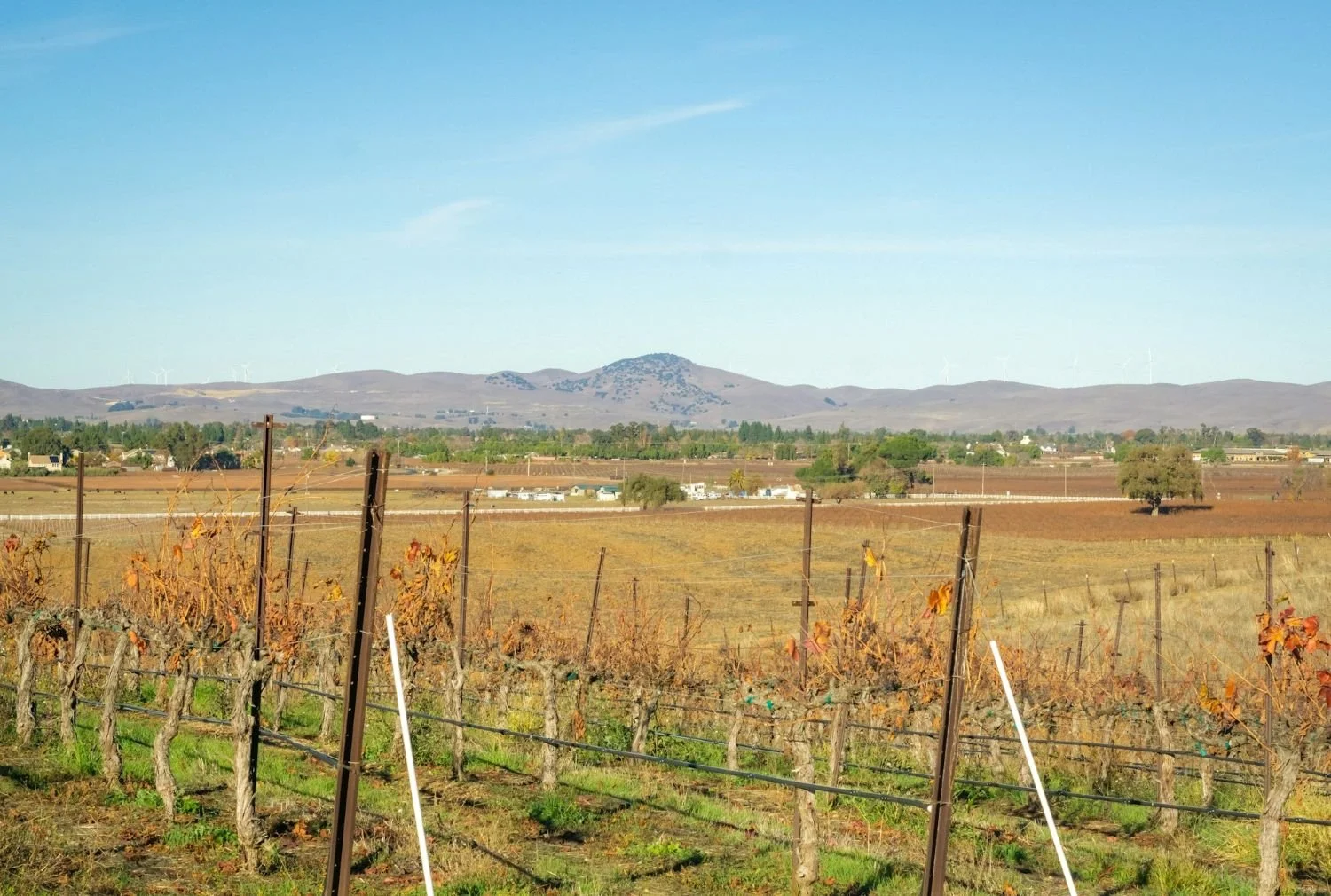
7. Photography: Moving Beyond Bare Vines and Grey Skies
Why Bare Vineyard Photos Fall Short
Visual Impact: Rows of dormant vines under grey skies can appear lifeless and uninviting.
Brand Perception: Such imagery may suggest inactivity or lack of hospitality, deterring potential visitors.
Missed Opportunity: Winter offers unique beauty—misty mornings, snow-dusted landscapes, and cozy interiors.
Solutions for Better Winter Photos
1. Professional Photography
Invest in a winter photo shoot focused on storytelling and atmosphere.
2. Staging and Lighting
Use props: blankets, fire pits, festive décor.
Employ warm lighting to create inviting scenes, even outdoors.
3. People-Focused Shots
Feature guests and staff enjoying winter activities: sipping wine by the fire, participating in a blending workshop, or sharing a meal.
4. Landscape and Detail Shots
Capture snow-capped mountains, misty valleys, or golden-hour light on the vines.
Highlight details: a glass of red wine against a frosted window, a cheese board by candlelight.
5. Consistency Across Channels
Use the same high-quality images on your website, social media, and email campaigns for a cohesive brand experience.
Key Takeaway:
Great winter photography tells a story of warmth, hospitality, and unique experiences—inviting guests to see your winery as a destination, even in the quietest months.
8. Additional Suggestions: Elevating the Winter Wine Experience
1. Loyalty and Rewards Programs
Launch winter-exclusive offers or member-only events to encourage repeat visits and purchases.
2. Cross-Promotions and Partnerships
Collaborate with local chefs, restaurants, or artisans for winter events, expanding your reach and creating unique experiences.
3. Virtual Tastings and Education
Offer virtual winter tasting events with pre-shipped kits, expanding your audience beyond local visitors.
Host online classes or webinars on winter wine styles, pairing, and winemaking.
4. Community Engagement
Encourage guests to share their winter winery experiences on social media using branded hashtags.
Feature user-generated content on your website and social channels to build authenticity and engagement.
5. Flexible Booking and Customization
Offer customizable tours and flexible scheduling to accommodate winter weather and guest preferences.
6. Themed Events and Festivals
Organize winter wine festivals, art/music nights, or food pairing dinners to attract diverse audiences.
7. Staff Training and Education
Invest in staff wine education (WSET, CMS, etc.) to enhance guest experience and build credibility.
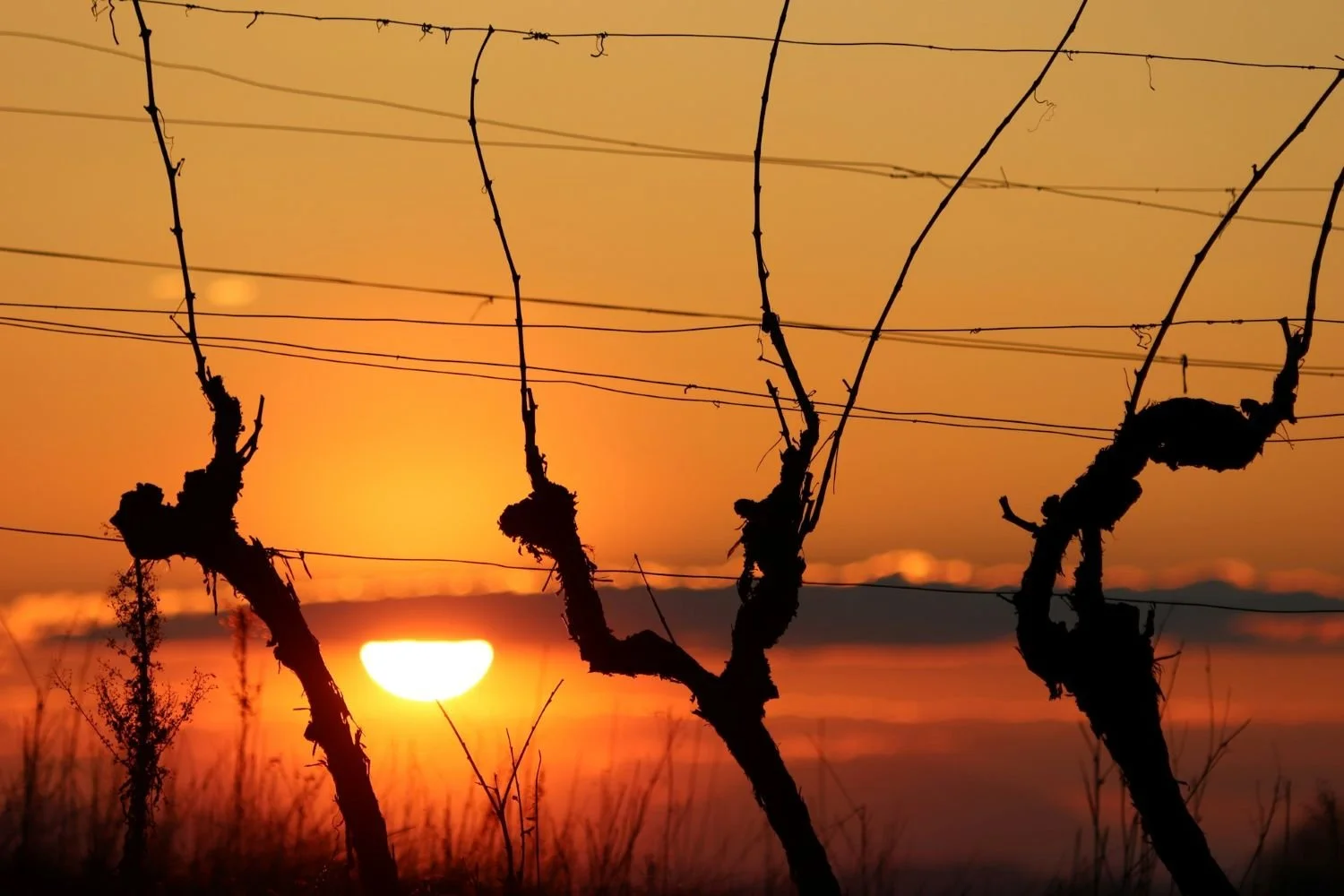
9. Conclusion: Embracing the Winter Season
Summary Box:
Winter wine tours are not just a fallback for the off-season—they are a powerful way to showcase your winery’s hospitality, expertise, and unique sense of place. By thoughtfully designing tours, curating winter wine selections, presenting experiences beautifully online, and telling your story through evocative imagery and subtle seasonal themes, you can turn winter into a season of growth and connection.
The Pacific Northwest’s winter landscape, while quieter and more subdued, offers a canvas for creativity and intimacy. Wineries that embrace the season—both in their offerings and their digital presence—will find new opportunities to engage guests, build loyalty, and stand out in a competitive market.
As a web designer, my advice is clear: invest in your winter story. From the vineyard to the tasting room, from your website to your social feeds, let the warmth, education, and beauty of winter wine experiences shine through. Your guests—and your bottom line—will thank you.
Ready to transform your winery’s website? Let’s raise a glass to bold design, rich stories, and a future as bright as a Willamette Valley Pinot at sunset.🍇🍷
Let’s raise a glass to your success—both in wine and beyond! 🍷
As a web designer who specializes in the wine industry, I help wineries and vineyards create beautiful, effective websites and digital marketing strategies tailored to their unique stories and audiences. If you’re ready to boost your online presence and connect with new customers, let’s have a chat about how strategic & smart web design can take your winery to the next level!
Cheers to your success in the wine industry!
Maike
The Golden Square Design Studio
Where Vision Meets Innovation
Creating Stunning & Strategic Websites for Online Success