
Email Campaigns: Do They Benefit Your Winery Business & Website in the Pacific Northwest?
In the fiercely competitive Pacific Northwest wine industry, email campaigns are not just beneficial—they are essential. With industry-leading ROI, the power to drive direct sales, and the ability to connect your offline tasting room with your online presence, email marketing is the digital tool every PNW winery should be leveraging to its fullest.
Introduction: The Overlooked Powerhouse in Pacific Northwest Wine Marketing
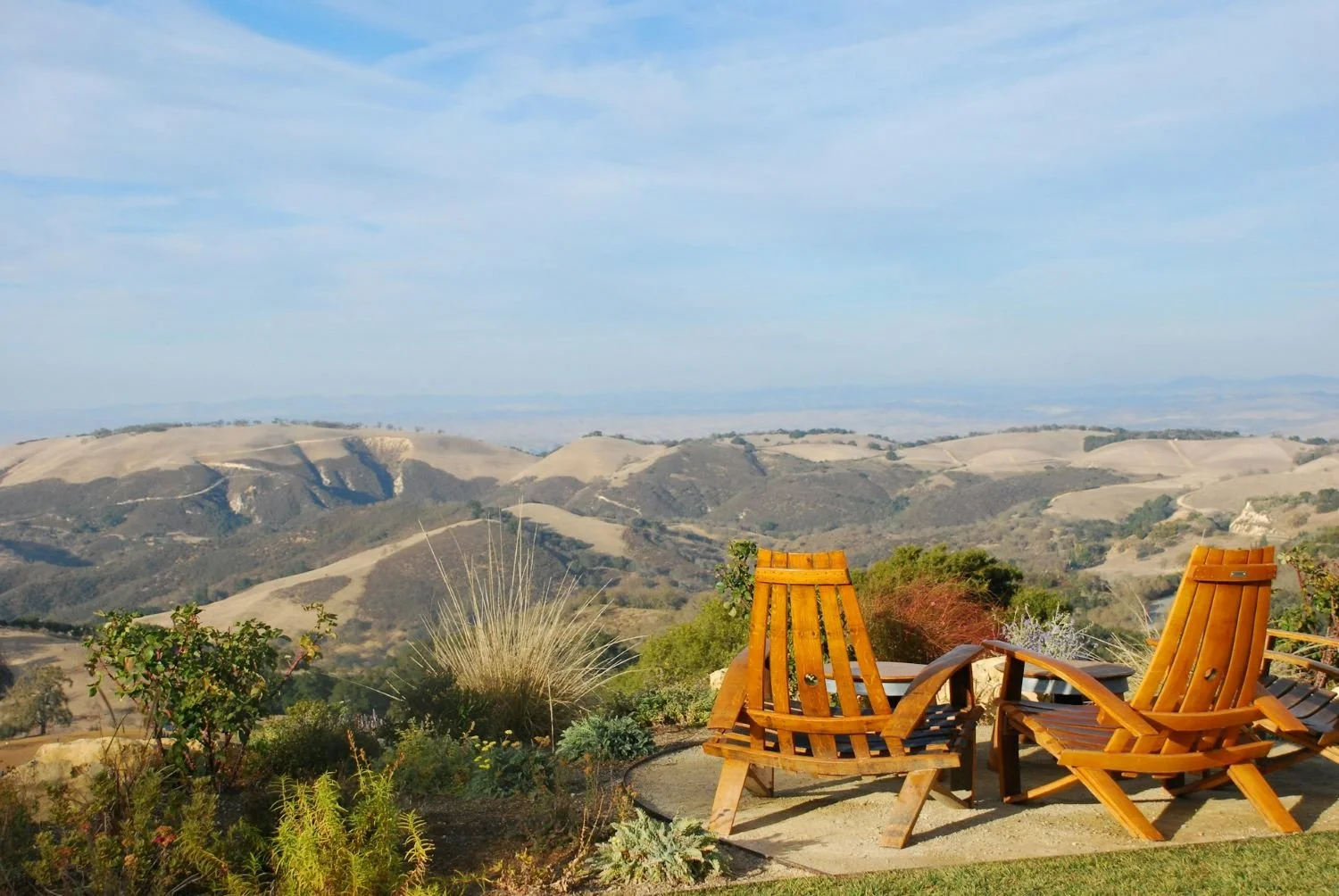
If you’re a winery owner in Washington or Oregon, you already know you’re part of something special. The Pacific Northwest is a powerhouse in American wine: Washington State boasts over 1,000 wineries, contributing more than $10.56 billion annually across 21 AVAs like Columbia Valley, Walla Walla, Yakima Valley, and Red Mountain. Oregon, with 1,076 wineries, generates $8.49 billion in economic impact, with regions like the Willamette Valley, Umpqua Valley, and Rogue Valley earning international acclaim.
As a web designer who works exclusively with wineries, vineyards, and wine industry businesses in the Pacific Northwest, I’ve seen firsthand how crowded and competitive this landscape has become. Everyone is vying for the attention of wine lovers—locals, tourists, and online shoppers alike.
In this environment, your website is your digital tasting room, but there’s one tool I see wineries consistently underutilize: email campaigns.
So, let’s tackle the big question:
Do email campaigns actually benefit your winery business and website in the Pacific Northwest?
The answer, as you’ll see, is a resounding yes—and I’m going to show you exactly why, how, and what you can do to make email marketing your secret weapon.
Section 1: The Numbers Don’t Lie — Email Marketing ROI for Wineries
Let’s start with the facts. In the wine industry, email marketing delivers an average ROI of $36–$42 for every $1 spent.
That’s not a typo!
For every dollar you invest in email, you can expect up to $42 back in sales and engagement. Compare that to social media or print advertising, and it’s clear why email is the workhorse of digital marketing.
Average open rate for wine industry emails: 31.3%
(That’s significantly higher than many other industries.)Segmented campaigns:
30% higher open rates
50% more clicks
Up to 760% revenue growth compared to non-segmented campaigns
Conversion rate: Email drives a 66% conversion rate for purchases—the highest of any marketing channel.
Why do these numbers matter so much for Pacific Northwest wineries?
Because about 70% of Oregon wineries produce fewer than 5,000 cases per year.
Most PNW wineries are small, independent, and rely heavily on direct-to-consumer (DTC) sales. Every dollar counts, and every customer relationship is precious. Email marketing isn’t just a nice-to-have; it’s a lifeline for building loyalty, driving repeat purchases, and standing out in a crowded market.
Section 2: Building Your Email List — The Foundation of Your Campaign
Before you can send winning emails, you need a list of people who actually want to hear from you.
Here’s how successful PNW wineries are building high-quality email lists:
1. Wine Club Signups
Wine clubs are the backbone of recurring revenue for many wineries. Whether signups happen online or in-person at the tasting room, every new member is a golden opportunity to add a highly engaged subscriber to your list.
2. Tasting Room Visits
Your tasting room is a prime spot for collecting emails.
Kiosks and tablets: Set up at checkout for easy signups.
QR codes: Place them on tables, menus, or receipts—guests can scan and join your list in seconds.
Staff prompts: Train your team to invite guests to join your list for exclusive offers or event invitations.
3. Website Pop-Ups and Embedded Forms
As a web designer, I can’t stress this enough: your website should make it effortless for visitors to join your list.
Timed pop-ups: Appear after a visitor has browsed for a set time, not immediately (to avoid annoyance).
Exit-intent pop-ups: Triggered when someone is about to leave your site.
Embedded forms: Strategically placed on your homepage, blog, and shop pages.
4. Event Registrations
Every RSVP or ticket purchase is a chance to collect an email address. Make sure your event registration forms are integrated with your email platform.
5. Lead Magnets
Offer something valuable in exchange for an email:
Discounts on first purchase
Exclusive tasting notes
Downloadable wine pairing guides
6. Social Media Integration
Instagram bios: Link to your signup form.
Facebook action buttons: “Sign Up” buttons that connect directly to your email list.
QR codes: Share them in stories or posts.
7. Compliance and Consent
Always comply with the CAN-SPAM Act and other privacy regulations:
Get clear consent before adding someone to your list.
Provide an easy opt-out option in every email.
Key Finding:
The quality of your list matters more than the size. Focus on collecting emails from people who have tasted your wine, visited your vineyard, or shown genuine interest in your story.
Section 3: What Should You Actually Send? High-Performing Email Content for PNW Wineries
Now that you have a growing list, what should you send?
Here’s what works best for wineries in the Pacific Northwest:
1. Event Invitations
Wine Country weekends: Spring and fall open houses, barrel tastings, and AVA-specific celebrations.
Harvest festivals: Invite subscribers to experience the excitement of harvest season.
Winemaker dinners and virtual tastings: Build anticipation and drive RSVPs.
2. Harvest Season Updates
Behind-the-scenes stories: Share photos and videos from the vineyard during harvest.
Harvest party invitations: Make your subscribers feel like insiders.
Limited-release offers: Tie special releases to the excitement of harvest.
3. New Vintage/Release Announcements
Winter wine releases: Announce new vintages with tasting notes, food pairings, and a clear CTA to shop online.
Early access for wine club members: Reward your most loyal customers.
4. Exclusive Member-Only Offers
Special discounts: For wine club members or email subscribers only.
First dibs on limited releases: Create urgency and reward loyalty.
5. Wine Club Communications
Allocation notifications: Let members know when their shipments are coming.
Member newsletters: Share exclusive content, recipes, and behind-the-scenes updates.
Renewal reminders: Keep your club retention rates high.
6. Educational Content
Wine pairing tips: Help your customers enjoy your wines at home.
Winemaking process explanations: Demystify what makes your wines unique.
AVA spotlights: Educate your audience about the distinctiveness of regions like Walla Walla or the Willamette Valley.
7. Holiday Promotions
Gift sets and bundles: Perfect for Thanksgiving, Christmas, and Valentine’s Day.
Virtual tastings: Great for remote customers or corporate gifts.
Pro Tip:
Use compelling subject lines (ideally 41 characters or 7 words) and include a single, clear call-to-action (CTA) in each email to maximize engagement.
Section 4: How Email Campaigns Drive Traffic Back to Your Winery Website
Your website and your email campaigns should work hand-in-hand. Every email you send is an opportunity to bring people back to your digital home.
The Critical Connection
Every email should include at least one CTA linking back to your website—whether it’s to shop a new release, RSVP for an event, or read a blog post.
Types of Web Pages to Drive Traffic To
Product pages: New releases, limited editions, or best-sellers.
Event registration pages: Make it easy for subscribers to sign up for tastings, dinners, or festivals.
Blog posts: Share educational content, harvest updates, or winemaker interviews.
Wine club signup pages: Convert casual fans into loyal members.
Tasting room reservation pages: Especially important for managing visitor flow during busy seasons.
Abandoned Cart Reminders
Bring visitors back: If someone adds wine to their cart but doesn’t complete the purchase, an automated email can remind them to finish checking out.
Web designer’s expertise: I ensure your website’s checkout flow is seamless, so those cart recovery emails actually convert.
Post-Visit Follow-Up Emails
Keep tasting room visitors engaged: Send a thank-you email with a special offer or invitation to join your wine club.
Email as the “Bridge”
Email is the bridge between your offline experiences (tasting room visits, events) and your online engagement. It keeps your brand top-of-mind and encourages repeat visits—both in-person and online.
SEO and Domain Authority Benefits
Consistent email-driven traffic signals to Google that your website is active and relevant, which can boost your search rankings and domain authority over time.
Section 5: Segmentation and Personalization — Stop Sending the Same Email to Everyone
One of the biggest mistakes I see wineries make is sending the same generic email to their entire list. Segmentation and personalization are game-changers.
What Is Segmentation?
Simply put, segmentation means dividing your email list into groups based on shared characteristics or behaviors. This allows you to send more relevant, targeted messages.
Key Segments for a PNW Winery
Wine club members vs. one-time visitors
Red wine vs. white wine buyers
Local customers vs. out-of-state buyers
Event attendees
Online shoppers
Automation Flows
Welcome series: Greet new subscribers with a series of emails introducing your winery, story, and best-sellers.
Post-tasting-room-visit follow-up: Thank visitors and invite them to join your club or shop online.
Wine club onboarding: Help new members get the most out of their membership.
Birthday/anniversary emails: Celebrate special occasions with personalized offers.
Abandoned cart reminders: Nudge shoppers to complete their purchase.
Finding the Right Cadence
The industry average for campaigns per month has increased from 1.88 to 3.63. The right frequency depends on your audience—monitor open, click, and unsubscribe rates to find your sweet spot.
Key Finding:
Segmented campaigns can yield up to 760% revenue growth, with 30% higher open rates and 50% more clicks compared to non-segmented sends.
Section 6: Choosing the Right Email Marketing Platform for Your Winery
There are plenty of email marketing platforms out there, but not all are created equal—especially for wineries.
Here are the top options I recommend to my clients:
1. Mailchimp
Best for: Smaller wineries just getting started
Features: Easy to use, automation, e-commerce integration, customizable templates
2. Klaviyo
Best for: Wineries with robust online DTC sales
Features: Advanced segmentation, powerful automation, deep e-commerce integration
3. Constant Contact
Best for: Small to mid-sized wineries
Features: User-friendly templates, list management, event marketing tools
4. WineDirect
Best for: Wineries seeking an industry-specific solution
Features: Built-in DTC sales integration, list segmentation, compliance tools, wine club management
5. Kit (formerly ConvertKit)
Best for: Wineries focusing on storytelling and audience building
Features: Creator-friendly platform for personalized emails, easy automation, simple segmentation, and e-commerce tools for selling wine directly.
Why Kit? Kit (formerly ConvertKit) is an excellent choice for wineries that want to build strong, authentic relationships with their audience. Its intuitive interface, robust automation, and focus on content creators make it ideal for wineries that leverage storytelling (like sharing vineyard updates or winemaker insights) to engage their subscribers. Plus, it integrates well with your e-commerce tools, making it easy to sell wine online or promote events.
Web Designer’s Perspective:
I can integrate any of these platforms directly into your winery website—from embedded signup forms to connected product pages—so everything works seamlessly and your data flows where it needs to.
Section 7: The Pacific Northwest Advantage — Seasonal Campaign Calendar
One of the unique strengths of PNW wineries is the region’s vibrant, seasonal rhythm. Your email campaigns should reflect and amplify this.
Spring (March–May)
Wine Country weekends: Invite subscribers to open houses and barrel tastings.
Spring release announcements: Build excitement for new vintages.
Summer (June–August)
Vineyard tours and picnic season: Promote outdoor experiences and summer-friendly wines (rosé, whites).
Pre-harvest excitement: Share updates as the grapes ripen.
Fall (September–November)
Harvest updates and party invitations: Bring the magic of harvest to your subscribers’ inboxes.
New vintage previews: Tease what’s coming soon.
Thanksgiving wine pairing guides: Help customers plan their holiday meals.
Winter (December–February)
Holiday gift campaigns: Offer curated gift sets and virtual tastings.
Winter wine release events: Announce new releases and invite subscribers to exclusive tastings.
New Year wine resolutions: Encourage customers to try something new.
Valentine’s Day collections: Promote romantic pairings and special offers.
Did You Know?
In 2024, wine-supported tourism in Oregon alone accounted for $860.9 million in statewide revenues. Email campaigns can tap into this by reaching tourists before they visit, turning online interest into real-world visits and sales.
Section 8: Email Marketing and Your Winery’s Website — A Partnership, Not a Silo
As a web designer, I see too many wineries treat their website and email list as separate entities. In reality, they should function as a unified digital ecosystem.
Your Website Captures Emails
Email capture forms: Strategically placed on your homepage, shop, and blog.
Lead magnets: Offer value in exchange for signups.
Your Emails Drive Website Traffic
Product launches: Link directly to your shop.
Event invitations: Send subscribers to your event calendar and registration pages.
Wine club promotions: Drive signups and renewals.
A Well-Designed Winery Website Includes:
E-commerce-ready wine shop
Event calendar with registration
Wine club portal
Blog/content section
Mobile optimization: Both your emails and your website must be mobile-friendly—over half of all emails are opened on mobile devices.
Metrics to Track
Open rate
Click-through rate
Conversion rate
Revenue per email
List growth rate
Unsubscribe rate
Key Takeaway:
Your website and your email list should work together to create a seamless, engaging experience for your customers—online and offline.
The Resounding “Yes”—Email Campaigns Are Essential for PNW Wineries
So, do email campaigns benefit your winery business and website in the Pacific Northwest?
Absolutely.
Email marketing delivers industry-leading ROI, drives direct sales, and connects your tasting room with your digital storefront. It’s the most cost-effective, high-impact tool you can use to build relationships, boost revenue, and stand out in a crowded market.
As a web designer who works exclusively with wine industry clients, I’m here to help you:
Set up email capture on your website
Integrate the right email marketing platform for your needs
Build a content strategy that aligns with your winery’s seasonal calendar
If you’re ready to take your winery’s digital presence to the next level, let’s talk. Reach out today to discuss how we can make your website and email marketing work together to grow your business—one subscriber, one sale, and one unforgettable experience at a time.
Ready to get started?
Contact me to schedule a free consultation about your winery website and email marketing strategy. Let’s make your Pacific Northwest winery the toast of the inbox—and the tasting room.
Thank you for reading! If you found this post helpful, please share it with other winery owners and industry friends. Cheers to your success in the Pacific Northwest wine world!
Let’s raise a glass to your success—both in wine and beyond! 🍷
As a web designer who specializes in the wine industry, I help wineries and vineyards create beautiful, effective websites and digital marketing strategies tailored to their unique stories and audiences. If you’re ready to boost your online presence and connect with new customers, let’s have a chat about how strategic & smart web design can take your winery to the next level!
Cheers to your success in the wine industry!
Maike
The Golden Square Design Studio
Where Vision Meets Innovation
Creating Stunning & Strategic Websites for Online Success