
What to Do When Your Winery Website in the Pacific Northwest Gets Hacked
Welcome, winery owners, vineyard managers, and wine industry professionals in the Pacific Northwest!
In the Pacific Northwest, your winery’s website is more than a digital brochure—it’s the heart of your business, driving wine club memberships, e-commerce sales, and tourism. A website hack can threaten your reputation, revenue, and customer trust. This guide walks you through immediate response, legal obligations, and long-term security—tailored for PNW wineries.
Table of Contents
Introduction: The Digital Lifeblood of PNW Wineries
Why Winery Websites Are Prime Targets for Hackers
Common Website Attacks Facing PNW Wineries
Immediate Response: What to Do When Your Winery Website Gets Hacked
Legal and Communication Obligations in Oregon and Washington
Long-Term Security Hardening: Protecting Your Winery Website
Conclusion: Secure Your Digital Vineyard—Act Now
1. Introduction: The Digital Lifeblood of PNW Wineries
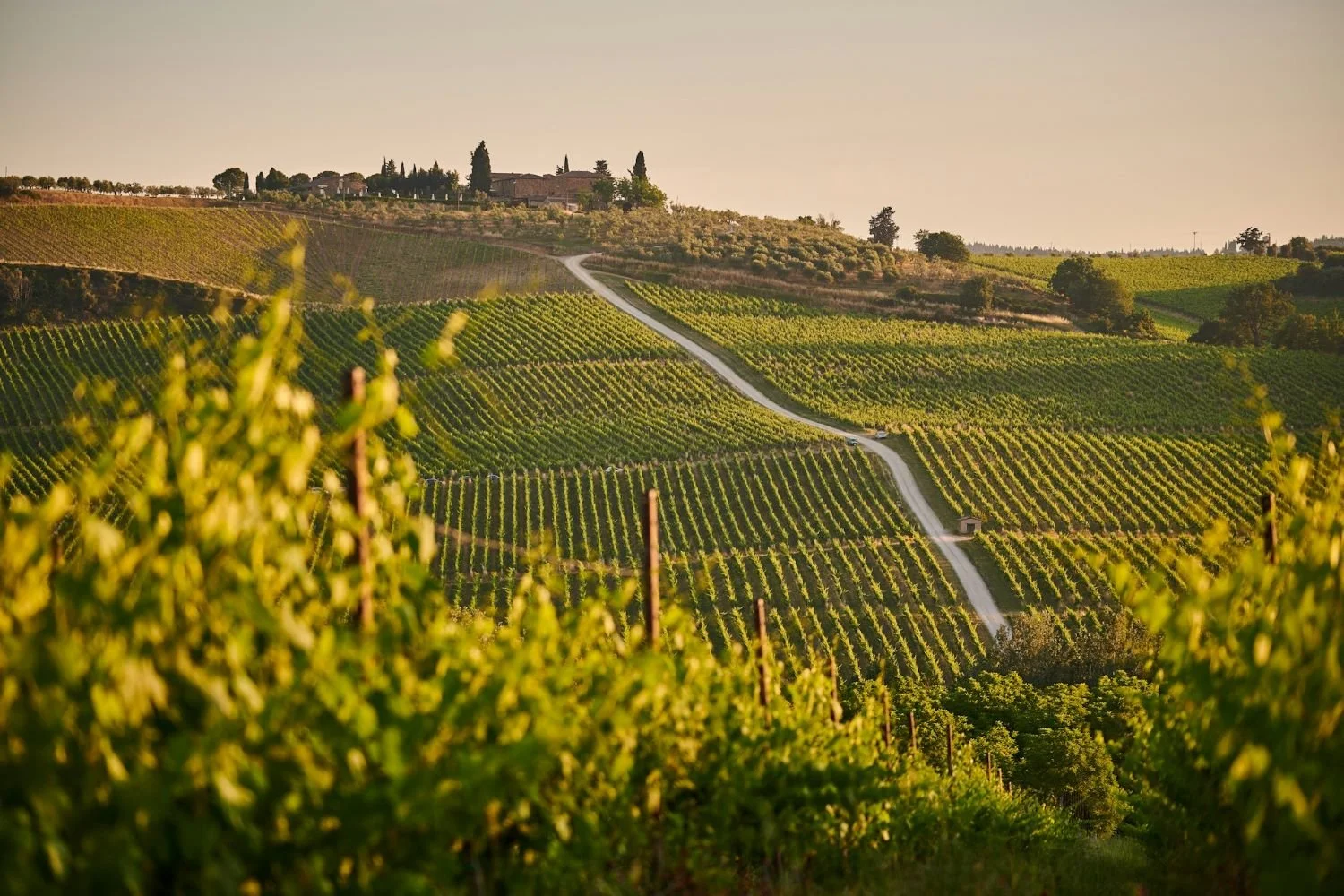
The Pacific Northwest—home to the lush Willamette Valley, the sun-drenched Columbia Valley, and the storied Walla Walla and Yakima Valleys—is a world-class wine destination. With over 1,076 wineries in Oregon and 1,070 in Washington, the region’s wine industry generates more than $7 billion in economic activity and welcomes millions of wine tourists each year.
But the real transformation in recent years? The rise of e-commerce and digital engagement. Direct-to-consumer (DTC) sales, wine club memberships, and online reservations have become the backbone of winery revenue. In Oregon alone, 10.6% of wine is sold directly through online channels, and the average bottle shipped DTC in the U.S. now fetches over $52.
Your website isn’t just a marketing tool—it’s your tasting room, your storefront, and your community hub, all rolled into one. But with this digital opportunity comes digital risk. A hacked website can mean lost sales, regulatory headaches, and a blow to your hard-earned reputation.
2. Why Winery Websites Are Prime Targets for Hackers
The Value of Winery Websites
Wineries in the Pacific Northwest are often small, family-run businesses with deep roots in the land but limited IT resources.
Yet, their websites are treasure troves for cybercriminals:
E-commerce platforms (Commerce7, WineDirect, Shopify, WooCommerce) process thousands of dollars in online wine sales.
Wine club memberships store recurring billing info, addresses, and personal preferences.
Customer databases contain names, emails, phone numbers, and sometimes even payment details.
Event and reservation systems collect sensitive visitor data.
Why Hackers Target Wineries
Payment Data: Credit card numbers and billing info are lucrative targets.
Personal Data: Names, emails, and addresses can be sold or used for further attacks.
Recurring Revenue: Wine clubs and subscriptions mean stored payment credentials.
Perceived Weak Security: Many wineries lack dedicated IT staff or robust cybersecurity, making them easier targets.
Seasonal Promotions: Hackers know when wineries run flash sales or holiday promotions, timing attacks for maximum disruption.
Key Finding:
43% of all cyberattacks now target small businesses, and the average cost of a breach for an SMB is over $250,000.
3. Common Website Attacks Facing PNW Wineries
Understanding the threats is the first step to defending your digital vineyard.
Here are the most common attack types—explained in winery-specific context:
3.1 Malware Injection
What it is: Malicious code is inserted into your website to steal data, redirect visitors, or display unwanted ads.
Winery Example: A visitor clicks “Join Our Wine Club” and is redirected to a phishing site, or malware is used to skim credit card data at checkout.
3.2 SQL Injection (SQLi)
What it is: Hackers exploit vulnerable forms (like newsletter signups or reservation requests) to access your database.
Winery Example: Attackers extract your entire wine club member list, including emails and addresses.
3.3 Phishing and Social Engineering
What it is: Deceptive emails or fake login pages trick staff or customers into revealing passwords.
Winery Example: A fake “WineDirect” email asks your staff to reset their password, giving hackers admin access.
3.4 Brute Force and Credential Stuffing
What it is: Automated bots try thousands of password combinations or use stolen credentials from other breaches.
Winery Example: Attackers gain access to your admin panel or wine club portal, especially if staff reuse passwords.
3.5 Distributed Denial of Service (DDoS)
What it is: Your site is flooded with fake traffic, making it crash.
Winery Example: During your annual Pinot Noir release, your website goes down for hours, costing you sales and frustrating loyal customers.
3.6 SEO Spam / Black Hat SEO Injection
What it is: Hackers inject spammy links or keywords to manipulate search rankings.
Winery Example: Your site starts ranking for “cheap pharmaceuticals” instead of “Willamette Valley Pinot Noir.”
3.7 Credit Card Skimming / Magecart Attacks
What it is: Malicious scripts steal credit card data during checkout.
Winery Example: Customers’ payment info is stolen when they buy wine online, leading to fraud and chargebacks.
3.8 Cross-Site Scripting (XSS)
What it is: Attackers inject scripts into your site that run in visitors’ browsers.
Winery Example: A malicious script steals wine club members’ login cookies, giving hackers access to their accounts.
3.9 Supply Chain Attacks
What it is: Hackers compromise third-party plugins or themes.
Winery Example: An outdated reservation plugin is hijacked, allowing attackers to inject malware site-wide.
Key Takeaway:
The most common attack vectors for wineries are malware, phishing, SQL injection, brute force/credential stuffing, DDoS, SEO spam, Magecart credit card skimming, and supply chain attacks via outdated plugins.
4. Immediate Response: What to Do When Your Winery Website Gets Hacked
When disaster strikes, every minute counts.
Here’s a step-by-step guide tailored for PNW wineries—whether you’re on WordPress, Shopify, Squarespace, Wix, or a wine-specific platform like Commerce7 or WineDirect.
Step 1: Identify the Hack
Signs your site may be hacked:
Unexpected redirects or pop-ups
Fake content or unfamiliar admin users
Security warnings from Google or your host
Website outage or “Access Denied” errors
Complaints from customers about suspicious emails or transactions
Pro Tip:
Set up Google Search Console and security monitoring tools to receive alerts about suspicious activity.
Step 2: Take the Site Offline or Enable Maintenance Mode
Why: Prevent further damage and protect visitors.
How:
WordPress: Use a maintenance mode plugin.
Shopify/Squarespace/Wix: Use built-in maintenance features.
Commerce7/WineDirect: Contact support for emergency procedures.
Step 3: Notify Your Web Host
Why: Your host may offer emergency support, help with malware removal, and assist in containing the breach.
How: Contact support immediately and follow their guidance.
Step 4: Back Up the Current (Infected) State
Why: For forensic analysis and potential law enforcement needs.
How: Download both site files and database.
Step 5: Scan with Security Tools
WordPress: Wordfence, Sucuri SiteCheck, MalCare, Jetpack.
Shopify: Built-in security app tools.
Squarespace/Wix: Rely on platform support and Google Search Console.
What to scan: Website files, database, user accounts, .htaccess for suspicious code.
Step 6: Remove Malware and Malicious Code
Manual Removal: Delete suspicious files, code, and unknown admin users.
Automated Removal: Use security plugins (Wordfence, Sucuri, MalCare) for WordPress.
Platform Support: For Shopify/Squarespace/Wix, work with their support teams.
Step 7: Restore from a Clean Backup
When: Only after identifying and fixing the vulnerability.
How: Restore both files and database from a backup made before the hack.
Step 8: Reset All Credentials
Accounts: Admin, hosting, FTP, database, and all user accounts.
Enforce Strong Passwords: Use plugins like Emergency Password Reset (WordPress).
Update Database Credentials: Change database username/password and update configuration files.
Step 9: Update All Software
WordPress: Update core, plugins, and themes; remove unused/outdated ones.
Shopify/Squarespace/Wix: Ensure all integrations and apps are up to date.
Step 10: Test and Re-enable the Site
Test: Navigation, forms, checkout, login, and other key features.
Disable Maintenance Mode: Once confirmed clean.
Clear Cache: To ensure no malicious code is served.
Key Finding:
Outdated plugins and weak credentials are the #1 cause of WordPress hacks. Always update and use strong, unique passwords.

5. Legal and Communication Obligations in Oregon and Washington
A website hack isn’t just a technical problem—it’s a legal and reputational crisis. Both Oregon and Washington have strict data breach notification laws.
Oregon: Oregon Consumer Information Protection Act (OCIPA)
Who must notify: Any business that owns or licenses personal information of Oregon residents.
What triggers notification: Breach of personal info (name + sensitive data, or username/email + password).
Deadline: Notify affected consumers within 45 days of discovery.
If >250 residents affected: Notify Oregon DOJ within 45 days.
If >1,000 residents affected: Notify nationwide credit reporting agencies.
Notice content: Business contact info, breach description, types of data, advice for affected individuals (e.g., monitor credit).
Reporting: Use DOJ’s online form or databreach@doj.oregon.gov.
Washington: RCW 19.255
Who must notify: Any business that owns or licenses personal information of Washington residents.
What triggers notification: Breach of personal info (name + sensitive data, or username/email + password/security Q&A).
Deadline: Notify affected residents and, if >500 affected, the Attorney General within 30 days of discovery.
Notice content: Business contact info, types of data, time frame, credit agency contacts, advice to change passwords if login credentials breached.
Reporting: Submit sample notice and summary to Attorney General if >500 affected.
How to Communicate Transparently with Customers
Prompt, honest notice: Explain the situation, what data may have been affected, and steps taken to secure the site.
Offer support: Credit monitoring if sensitive data was exposed.
Channels: Email, website notice, and/or direct mail as appropriate.
Sample Breach Notification Message
Subject: Important Notice: Security Incident Affecting [Winery Name] Website
Dear [Wine Club Member/Customer],
We recently discovered unauthorized access to our website, which may have exposed some of your personal information (such as your name, email, and, if you made a purchase, your billing address). No credit card numbers were stored on our servers, and we have taken immediate steps to secure your data.
We recommend monitoring your accounts for suspicious activity and changing your password for our site and any other sites where you use the same password.
We sincerely apologize for this incident and are committed to protecting your information. If you have questions, please contact us at [contact info].
Sincerely,
[Winery Name] Team
Key Takeaway:
Legal compliance is not optional. Failing to notify customers and authorities can result in severe penalties and lasting reputational damage.
6. Long-Term Security Hardening: Protecting Your Winery Website
Once you’ve recovered from a hack, it’s time to build a stronger defense.
Here’s how to future-proof your winery’s digital presence:
6.1 SSL Certificates
Requirement: All e-commerce sites must use SSL/TLS to encrypt data.
How: WordPress - Use plugins or host-provided SSL. Shopify/Squarespace/Wix - SSL is included by default.
6.2 Web Application Firewall (WAF)
Purpose: Blocks malicious traffic and common attacks.
Tools: Sucuri Firewall, Wordfence (WordPress), built-in options for Shopify/Squarespace/Wix.
6.3 Two-Factor Authentication (2FA)
Why: Prevents unauthorized access even if passwords are compromised.
How: WordPress - Plugins like Wordfence, Google Authenticator. Shopify/Squarespace/Wix - Enable 2FA in account settings.
6.4 Regular Offsite Backups
Frequency: Daily or weekly, stored offsite.
Tools: UpdraftPlus, Jetpack (WordPress); built-in or third-party for other platforms.
6.5 Keep CMS/Plugins/Themes Updated
Critical: Outdated plugins/themes are the #1 cause of WordPress hacks.
Best Practice: Enable automatic updates where possible.
6.6 PCI DSS Compliance for Wine E-Commerce
Requirement: Any site handling credit card data must comply with PCI DSS.
How:Use PCI-compliant payment processors (Stripe, PayPal, Shopify Payments).Never store credit card data on your own server.
6.7 Ongoing Security Monitoring
Purpose: Ongoing malware scans, file change detection, and activity logs.
Tools: Sucuri, Wordfence, Jetpack (WordPress); built-in monitoring for Shopify/Squarespace/Wix.
6.8 User Access Control
Principle of Least Privilege: Only grant necessary permissions.
Regular Review: Audit user accounts and remove unused or suspicious ones.
6.9 Written Incident Response Plan
Documentation: Keep a written plan for future incidents, including contacts, steps, and legal requirements.
Security Tool Recommendations by Platform

Key Finding:
Proactive security—SSL, WAF, 2FA, regular updates, and offsite backups—can prevent most hacks and minimize damage if one occurs.
7. Conclusion: Secure Your Digital Vineyard—Act Now
The Pacific Northwest wine industry is built on passion, craftsmanship, and community. Your website is the digital extension of your vineyard—a place where customers discover your story, join your wine club, and order their favorite bottles.
But as the industry embraces e-commerce and digital marketing, the risks grow. Hackers don’t care if you’re a small family winery or a regional powerhouse—they care about data, payment info, and easy targets.
Don’t wait for a crisis.
Audit your website security now.
Update your software and plugins.
Enable two-factor authentication.
Set up regular offsite backups.
Review your incident response plan.
Work with a web designer who understands the unique needs of PNW wineries.
If you need help, reach out. As a web designer specializing in winery websites, I’m here to help you protect your digital vineyard—so you can focus on what you do best: making world-class wine and sharing it with the world.
Let’s raise a glass to your success—both in wine and beyond! 🍷
As a web designer who specializes in the wine industry, I help wineries and vineyards create beautiful, effective websites and digital marketing strategies tailored to their unique stories and audiences. If you’re ready to boost your online presence and connect with new customers, let’s have a chat about how strategic & smart web design can take your winery to the next level!
Cheers to your success in the wine industry!
Maike
The Golden Square Design Studio
Where Vision Meets Innovation
Creating Stunning & Strategic Websites for Online Success