
Welcome, winery owners, vineyard managers, and wine industry professionals in the Pacific Northwest!
Designing a winery website in the Pacific Northwest in 2026 is about so much more than beautiful visuals or a slick checkout. It’s about weaving together the region’s unique wine culture, legal realities, digital trends, and the lived experience of both visitors and staff. If you want to build a site that truly works for a PNW winery, you need to understand the land, the law, the technology, and—most importantly—the people.
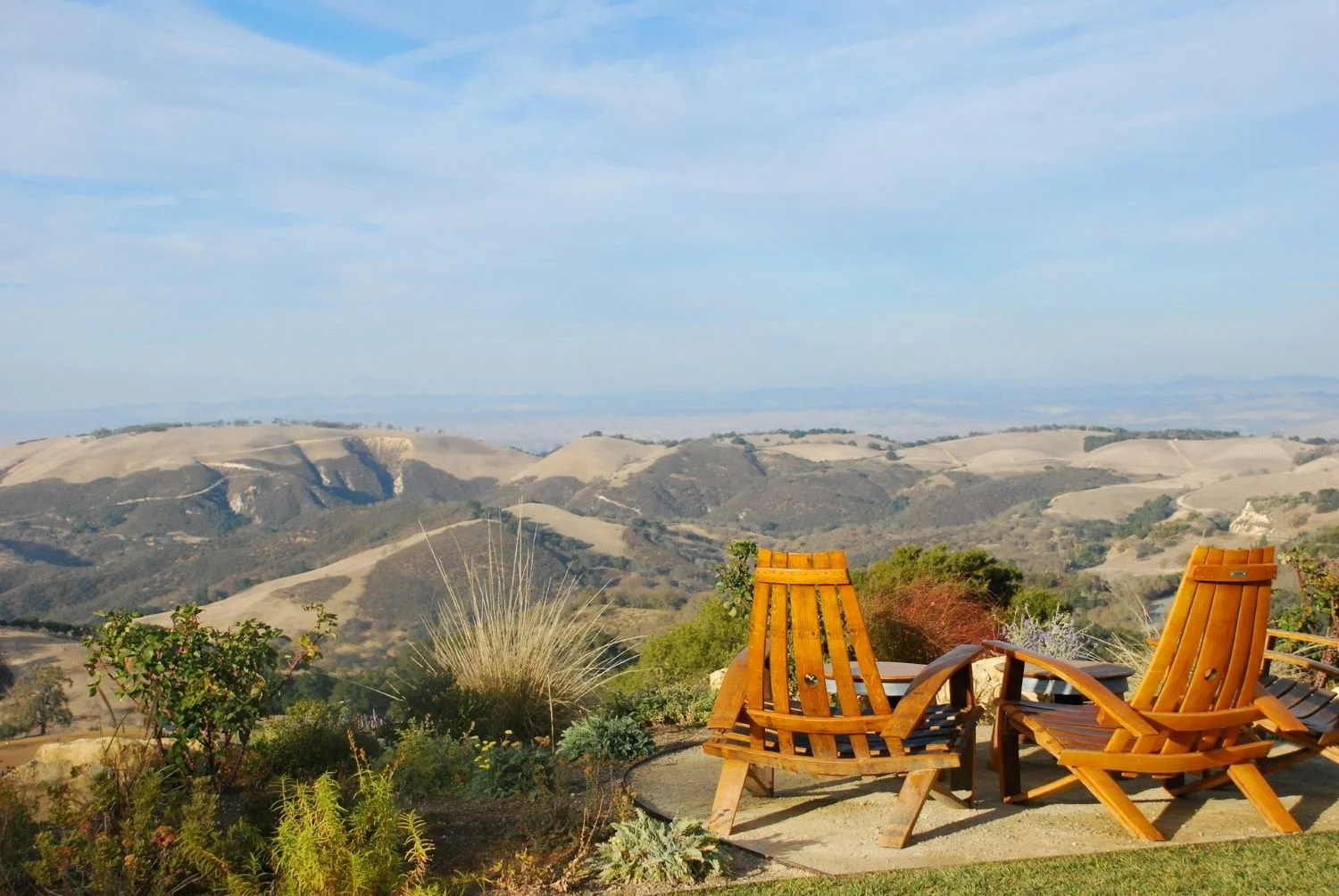
Introduction: Why the Pacific Northwest Is Different
As a web designer specializing in winery and vineyard clients across Oregon, Washington, and Idaho, I’ve learned that the Pacific Northwest (PNW) is a world apart. The region’s wine industry is defined by its diversity—of terroir, of business models, of visitor expectations, and of regulatory complexity. Designing a winery website here isn’t just about following best practices; it’s about understanding the nuances that make the PNW wine scene so vibrant and, at times, so challenging.
In this post, I’ll share what I wish every winery owner, marketing manager, and fellow designer knew before embarking on a website project in the PNW. This isn’t a listicle or a generic how-to. It’s a deep dive into the realities of 2026: the platforms, the compliance headaches, the storytelling opportunities, the mobile-first imperative, and the digital marketing landscape shaped by AI and evolving consumer expectations.
1. The Pacific Northwest Wine Industry Landscape: Context Is Everything
Before I even open Figma or sketch a wireframe, I ground myself in the realities of the region. The PNW wine industry is not monolithic—it’s a tapestry of AVAs, grape varieties, business sizes, and brand identities.
Oregon: Pinot Noir, Sustainability, and the Willamette Valley
Scale: Over 1,100 wineries and 47,350 acres of vineyards as of 2026.
Flagship Region: The Willamette Valley AVA, globally renowned for Pinot Noir, accounts for 69% of Oregon’s vineyard acreage.
Brand Identity: Oregon is synonymous with cool-climate Pinot Noir, artisanal production, and a deep commitment to sustainability. Certifications like LIVE (Low Input Viticulture and Enology), Salmon-Safe, and Oregon Certified Sustainable Wine are not just badges—they’re central to the story.
Tourism: Wine tourism generated $861 million in 2024, with a growing share of out-of-state visitors seeking immersive, authentic experiences.
Washington: Scale, Diversity, and Bold Reds
Scale: Nearly 1,000 wineries, 50,000–54,000 acres of vineyards, and a $10.56 billion economic impact.
Flagship Regions: Columbia Valley (the umbrella AVA for 99% of the state’s grapes), Yakima Valley, Walla Walla, Red Mountain, Horse Heaven Hills.
Brand Identity: Washington is known for bold, fruit-driven reds—especially Cabernet Sauvignon and Syrah—and a collaborative, innovative winemaking culture.
Tourism: 4.16 million wine tourist visits in 2025, with $794 million in tourism revenue.
Idaho: The Emerging Frontier
Scale: About 75–80 wineries, 1,300 acres of vineyards.
Flagship Region: Snake River Valley AVA, with high-elevation, continental-climate vineyards producing aromatic whites and structured reds.
Brand Identity: Idaho is carving out a reputation for adventure, high-elevation terroir, and a tight-knit, innovative community.
Key Insight:
The PNW is dominated by small, often family-owned wineries—90% in Washington and 70% in Oregon produce fewer than 5,000 cases per year. This shapes everything from website budgets to the need for operational efficiency and authentic storytelling.
2. Platform Choice: The Foundation of a Winery Website
If there’s one decision that will make or break a winery website project, it’s the choice of platform. In 2026, the days of cobbling together a WordPress site with a generic e-commerce plugin are over—at least for wineries that want to compete.
The Modern Winery Tech Stack

Why Unified DTC Systems Matter
Seamless Customer Experience: Today’s wine consumer expects to buy wine, join the club, book a tasting, and manage their account—all in one place, on any device.
Operational Efficiency: Unified systems reduce manual data entry, sync inventory across channels, and automate compliance.
Compliance and Reporting: Integrated platforms automate age verification, tax calculation, and shipping eligibility, reducing legal risk.
Personalization: Modern platforms use analytics and AI to recommend wines, upsell club memberships, and tailor offers.
Pro Tip:
Don’t let a client talk you into “saving money” with a patchwork of disconnected tools. The cost of manual compliance, lost sales, and frustrated staff will dwarf any upfront savings.
3. Compliance Complexity: Navigating the Legal Minefield
If you’re new to winery web design, the compliance landscape can be a rude awakening. Alcohol is one of the most regulated products in the U.S., and the PNW is no exception.
Age Verification: Non-Negotiable
Mandatory Age Gates: Every winery website must implement age verification at entry and/or checkout. Some states require double verification—online and at delivery.
Best Practice: Use robust, user-friendly age gates that don’t frustrate visitors but meet legal requirements.
DTC Shipping Laws: A Moving Target
State-Specific Rules: Oregon, Washington, and Idaho each have their own DTC shipping regulations—permits, volume limits, dry communities, and more.
Automated Shipping Eligibility: Your ecommerce system must check, in real time, whether a customer’s address is eligible for shipment and what limits apply.
Tax Compliance: Accurate sales and excise tax calculation is required, with rates varying by state and locality.
Compliance Tools: ShipCompliant and Friends
Integration Is Essential: Platforms like Commerce7, WineDirect, and Shopify (with DRINKS) integrate with ShipCompliant or similar tools to automate compliance.
Reporting: Automated compliance reporting for state and federal authorities is a must.
The Dangers of Manual Compliance
Risk of Illegal Shipments: Manual checks are error-prone and can result in costly legal penalties.
Operational Headaches: Staff time wasted on compliance is time not spent on hospitality or marketing.
Key Takeaway:
If your platform doesn’t automate compliance, you’re setting your client up for risk and frustration. Manual compliance is a relic of the past.
4. Wine Club Signup Flow: The Heart of DTC Success
Wine clubs are the lifeblood of most PNW wineries’ DTC revenue. The signup flow is where many websites succeed—or fail.
Best Practices for Wine Club Signup
Short, Simple Forms: Only ask for essential information at signup. Let members update preferences later.
Clear Value Proposition: Use engaging imagery and concise copy to highlight member benefits—exclusive wines, events, discounts, and more.
Self-Service Portals: Members should be able to manage their club preferences, payment methods, and shipments online.
Transparency: Clearly communicate club terms, shipment frequency, costs, and cancellation policies.
Common Pitfalls
Overly Complex Signup: Long, confusing forms kill conversions.
Hidden Terms: Not being upfront about costs or cancellation leads to churn and negative reviews.
Real-World Example:
Domaine Serene’s club signup flow is a model of clarity and elegance—short form, beautiful visuals, and a clear explanation of benefits.
5. Mobile-First Design: The New Baseline
It’s 2026. Over 70% of winery website traffic is mobile. If your site isn’t designed for thumbs, you’re invisible to most visitors.
Mobile-First Imperatives
Responsive Design: Every page, every feature—ecommerce, club signup, booking—must be fully responsive and tested on all device sizes.
Fast Load Times: Sub-1.5 second load times are the standard. Optimize images, scripts, and hosting.
Touch-Friendly UI: Large buttons, simple navigation, and forms that are easy to complete on a phone.
QR Codes in Tasting Rooms: Use QR codes to direct visitors to club signups, product pages, or reservation systems—bridging the physical and digital experience.
On-Site Purchases: Enable mobile checkout for visitors to buy wine or join the club during their visit.
In-Tasting-Room Use Cases
Event Check-In: Mobile-friendly reservation systems for seamless check-in.
Feedback and Reviews: Prompt visitors to leave reviews or join the mailing list via mobile.
Key Insight:
Mobile isn’t just about the website—it’s about the entire visitor journey, from discovery to purchase to post-visit engagement.
6. Visual Storytelling: Bringing the Winery Experience Online
The PNW is a feast for the senses—rolling vineyards, misty mornings, dramatic skies. Your website should evoke that sense of place.
2026 Visual Expectations
Cinematic Video Backgrounds: Hero sections with slow-motion pours, drone footage over vineyards, or harvest scenes.
Editorial Photography: High-resolution, authentic images of the land, the people, and the process.
Parallax Scrolling: Subtle movement that draws visitors into the story.
Winemaker Narratives: Video interviews, behind-the-scenes clips, and first-person stories.
Sustainability Storytelling: Visuals and copy that highlight certifications, eco-friendly practices, and stewardship of the land.
Real-World Exemplars
Domaine Serene: Immersive visuals, story-driven content, seamless booking.
Maysara Winery: Cinematic design, authentic storytelling.
Soter Vineyards: Artistic photography, minimalist design, accessibility widget.
Pro Tip:
Invest in professional photography and video. Stock images won’t cut it in a region where authenticity is everything.
7. PNW-Specific Brand Identity: Terroir, Sustainability, and Community
The Pacific Northwest’s wine identity is rooted in place, people, and a shared commitment to sustainability.
Terroir and Sense-of-Place Storytelling
Unique Soils and Climate: Highlight the AVA, soil types, elevation, and microclimate that shape the wines.
Winemaker Philosophy: Share the “why” behind the wines—farming practices, varietal choices, and community involvement.
Sustainability Certifications
LIVE, Salmon-Safe, Oregon Certified Sustainable Wine: These aren’t just logos—they’re stories. Explain what they mean and why they matter.
Sustainable WA: Washington’s new sustainability certification is gaining traction—feature it prominently if applicable.
Dry-Farming Narratives: Many PNW wineries emphasize dry farming as part of their environmental stewardship.
Community and Collaboration
Wine Trails and Alliances: Feature partnerships with local artisans, restaurants, and regional wine trails.
Transparency: Detailed information about farming, winemaking, and sustainability is expected by PNW wine consumers.
Key Takeaway:
Your website is your brand’s digital tasting room. Make it as authentic, transparent, and rooted in place as your wines.
8. Seasonality and Content Strategy: Timing Is Everything
The PNW wine tourism season is highly seasonal, and your website needs to reflect that rhythm.
Peak Season: May–October
Dynamic Content: Highlight seasonal events, tasting room hours, and weather-related updates.
Event Calendars: Prominently feature event listings and booking options.
Travel Planning Resources: Integrate local lodging, dining, and travel tips.
Harvest Timing
Harvest Draw: September–October is a major draw for visitors, but also a time of limited staff availability. Communicate clearly about altered tasting experiences or limited hours.
Behind-the-Scenes Content: Share harvest updates, photos, and videos to engage visitors even if they can’t visit in person.
Off-Season Engagement
Intimate Tastings: Promote smaller, club-member events and holiday promotions.
Virtual Experiences: Offer virtual tastings, online events, and educational content.
Weather Impact
Real-Time Updates: Use banners or alerts to communicate weather-related closures or changes.
Indoor/Outdoor Options: Highlight covered patios, fireplaces, or indoor experiences.
Pro Tip:
Update your content regularly. A stale event calendar or outdated hours erodes trust and frustrates visitors.
9. SEO and GEO (Generative Engine Optimization) for 2026
The search landscape has changed dramatically. AI Overviews, chat-based search, and LLMs (large language models) now shape how visitors discover wineries.
AI-Era SEO: What’s Changed
AI Overviews Reduce Click-Through: Google’s AI-powered search now answers many queries directly, reducing organic clicks by up to 34.5%.
GEO (Generative Engine Optimization): Structure your content for extraction and citation by AI systems—FAQs, Q&A, data tables, and clear H2s.
E-E-A-T Signals: Build Experience, Expertise, Authoritativeness, and Trustworthiness through authentic storytelling, expert quotes, and detailed reviews.
Local SEO: Still Critical
Google Business Profile: Keep it updated with hours, events, photos, and reviews.
Schema Markup: Use structured data for events, products, and locations to enhance visibility in AI Overviews and local packs.
Region-Specific Keywords: Optimize for terms like “Willamette Valley wine tasting,” “Yakima Valley Syrah,” or “Snake River Valley vineyard tours.”
Content for AI and Humans
Rich, Structured Content: Detailed pages about vineyards, winemaking, and wines, including vintage notes and accolades.
Press and Reviews: Include third-party reviews and press mentions for credibility.
Key Takeaway:
In 2026, SEO is about being the source that AI systems trust and cite—not just ranking #1 in traditional search.
Free Guide: Winery Website Conversion Checklist
10. Website Accessibility: Legal, Ethical, and Practical
Accessibility is no longer optional—it’s a legal requirement and a business imperative.
WCAG 2.2+/3.0 Compliance
Screen Reader Support: All content must be navigable by screen readers.
Keyboard Navigation: Users must be able to navigate the site without a mouse.
High-Contrast Modes: Offer color schemes that are readable for all users.
Alt Text: Every image, especially those critical to storytelling, must have descriptive alt text.
Accessible Forms: All forms (club signup, checkout, reservations) must be usable by people with disabilities.
ADA Legal Exposure
Risk of Lawsuits: Non-compliance can result in costly legal action.
Best Practice: Use accessibility auditing tools and, if possible, work with an accessibility consultant.
Pro Tip:
Accessibility isn’t just about avoiding lawsuits—it’s about welcoming every visitor, online and in person.
11. Real-World Exemplary PNW Winery Websites
Nothing beats learning from the best. Here are some PNW winery websites that set the standard in 2026:

Key Insight:
These sites succeed because they blend technical excellence with authentic, region-specific storytelling.
12. Common Mistakes to Avoid
Even the best-intentioned projects can go off the rails. Here are pitfalls I see all too often:
Generic Templates: Using a one-size-fits-all template erases your unique brand identity.
Disconnected Systems: Separate platforms for ecommerce, club, and POS create data silos and operational headaches.
Slow Checkout: Lengthy or buggy checkout processes increase abandonment rates.
Thin Content: Sparse product or vineyard pages miss SEO and storytelling opportunities.
Manual Compliance: Not automating compliance checks increases risk and staff workload.
Ignoring Local SEO: Failing to optimize for local search terms and Google Business Profile means missing out on tasting room visitors.
Poor Mobile Experience: Failing to optimize for mobile devices results in lost conversions.
No Press/Review Pages: Omitting third-party validation reduces credibility.
Pro Tip:
Invest in custom design, unified systems, and rich content. The ROI is real—in sales, in staff efficiency, and in brand reputation.
13. Practical Takeaway: A 2026 Winery Website Checklist
For Winery Owners and Designers: Your PNW Winery Website Must…
1) Reflect Your Region and Story
Highlight your AVA, terroir, and sustainability certifications.
Use authentic photography and video to convey sense of place.
2) Choose the Right Platform
Use a unified DTC system (Commerce7, Shopify+DRINKS, vinSUITE, etc.) that integrates ecommerce, club, POS, compliance, and reservations.
3) Automate Compliance
Integrate ShipCompliant or equivalent for age verification, shipping eligibility, and tax calculation.
Keep shipping rules and tax rates up to date.
4) Optimize Wine Club Signup
Short, clear forms with a compelling value proposition.
Self-service member portal and transparent terms.
5) Design Mobile-First
Responsive, thumb-friendly UI.
Fast load times (sub-1.5s).
QR codes and mobile checkout for in-tasting-room use.
6) Tell a Visual Story
Cinematic video, editorial photography, and authentic winemaker narratives.
Parallax scrolling and immersive design.
7) Adapt to Seasonality
Dynamic event calendars, real-time updates, and off-season engagement tactics.
8) Master SEO and GEO
Structure content for AI Overviews and LLM citation.
Optimize for local search and Google Business Profile.
Use schema markup for events and tasting rooms.
9) Ensure Accessibility
WCAG 2.2+/3.0 compliance: screen readers, keyboard navigation, high-contrast modes, alt text.
10) Learn from the Best
Study exemplary PNW winery websites for inspiration and benchmarks.
11) Avoid Common Pitfalls
No generic templates, disconnected systems, or manual compliance.
No thin content or neglected local SEO.
Conclusion: Designing for the Future of PNW Wine
Designing a winery website in the Pacific Northwest in 2026 is a craft that blends technology, storytelling, compliance, and hospitality. It’s about honoring the land and the people who make the wine, while meeting the expectations of a digital-savvy, mobile-first audience. It’s about building systems that empower staff, delight visitors, and drive sustainable growth.
If you’re a winery owner, don’t settle for a generic site. If you’re a designer, dig deep into the region’s culture, laws, and digital landscape. The PNW wine industry deserves websites as distinctive and memorable as its wines.
Final Thought:
The best winery websites don’t just sell bottles—they invite visitors into a story, a place, and a community. In the Pacific Northwest, that story is richer, more complex, and more rewarding than anywhere else.
Let’s raise a glass to your success—both in wine and beyond! 🍷
As a web designer who specializes in the wine industry, I help wineries and vineyards create beautiful, effective websites and digital marketing strategies tailored to their unique stories and audiences. If you’re ready to boost your online presence and connect with new customers, let’s have a chat about how strategic & smart web design can take your winery to the next level!
Cheers to your success in the wine industry!
Maike
The Golden Square Design Studio
Where Vision Meets Innovation
Creating Stunning & Strategic Websites for Online Success