
Mapping Out a Perfect Customer Journey on Your Winery Website in the Pacific Northwest
Welcome, winery owners, vineyard managers, and wine industry professionals in the Pacific Northwest!
In the fiercely competitive Pacific Northwest wine market, a thoughtfully mapped digital customer journey is the secret to transforming casual browsers into lifelong wine club members. By blending immersive storytelling, seamless technology, and region-specific strategies, your winery website can become the heart of your brand’s relationship with every visitor.
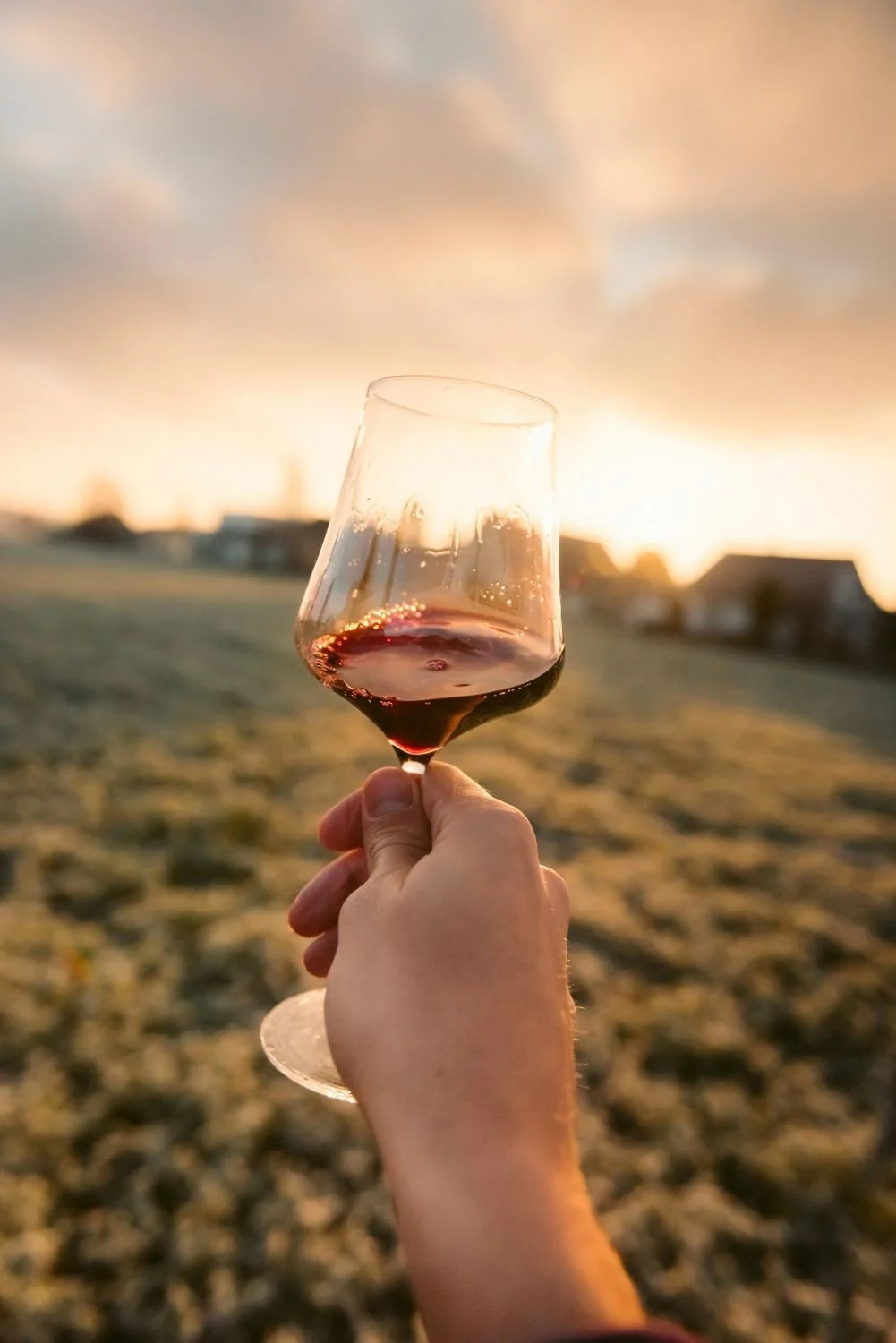
Introduction: Why the Customer Journey Matters More Than Ever in the PNW
As a web designer who’s spent the last decade partnering with wineries, vineyards, and wine businesses across Washington and Oregon, I’ve seen firsthand how the Pacific Northwest wine industry has evolved. The region’s nearly 1,000 Washington wineries and hundreds more in Oregon are not just competing with each other—they’re vying for the attention of a new generation of wine lovers who crave authenticity, sustainability, and memorable experiences, both in the tasting room and online.
In 2026, your website isn’t just a digital brochure. It’s the front door to your brand, the first pour in a long relationship, and the engine that drives everything from tasting room visits to wine club sign-ups. But how do you ensure that every visitor—whether they’re planning a Walla Walla getaway, searching for the perfect Willamette Valley Pinot Noir, or considering joining your wine club—has a seamless, engaging, and ultimately rewarding experience?
The answer lies in mapping out the perfect customer journey on your winery website.
This means understanding every step your customers take, from the moment they discover your brand to the day they become loyal advocates. In this post, I’ll walk you through the essential stages of the digital customer journey, share actionable strategies tailored to the unique PNW wine landscape, and highlight the design trends and tools that will set your winery apart in 2026.
Section 1: Why the Pacific Northwest Wine Market Demands a Smarter Website
Let’s set the stage. The Pacific Northwest is a powerhouse in American wine:
Washington State boasts nearly 1,000 wineries, making it the second-largest wine-producing state in the U.S. With over 35,000 acres of wine grapes and more than 9 million cases produced annually, the industry generates a staggering $10.56 billion in economic impact. The state’s 22 AVAs (American Viticultural Areas) include iconic regions like Walla Walla Valley, Yakima Valley, Red Mountain, and Woodinville Wine Country. Notably, 90% of Washington wineries produce fewer than 5,000 cases per year, emphasizing a boutique, artisanal approach.
Oregon is equally impressive, with the Willamette Valley as its flagship region, renowned for world-class Pinot Noir and cool-climate varietals. Southern Oregon’s Rogue and Umpqua Valleys add diversity with warmer-climate grapes. Oregon’s wine industry has nearly doubled its vineyard acreage since 2005 and now contributes $8.5 billion to the state’s economy. Like Washington, 70% of Oregon wineries are small producers, and while the state makes just 1% of U.S. wine, it consistently earns a disproportionate share of top ratings.
What Makes PNW Wine Tourists Unique?
Today’s wine tourists—especially millennials and Gen X—are seeking more than just a tasting flight. They want:
Authentic, small-batch, and sustainable experiences
Connections with family-owned wineries and local stories
Integration with outdoor, culinary, and cultural tourism (think: hiking in the Columbia Gorge, farm-to-table dinners in the Willamette Valley, or urban tasting rooms in Seattle and Portland)
Digital convenience—from virtual tastings to mobile-friendly reservations and digital wine passes like the Kitsap Wine Pass
Why a Thoughtful Digital Customer Journey Is Essential
With so many choices and such discerning visitors, your website must do more than look pretty. It needs to:
Guide each visitor seamlessly from discovery to purchase and beyond
Showcase what makes your winery and region unique
Convert casual browsers into loyal wine club members
Integrate with digital tools and marketing channels to maximize engagement
In short, a smarter website—one that’s mapped to your customers’ real journeys—is your most powerful asset in the PNW wine market.
Section 2: Understanding Your Winery’s Digital Customer Journey
Before we dive into design tactics, let’s clarify what we mean by the “customer journey.” In the context of a winery website, the customer journey is the series of steps a visitor takes—from their first encounter with your brand to becoming a loyal advocate.
The Four Stages of the Winery Customer Journey
Awareness: How new visitors discover your winery (search engines, social media, tourism sites, word of mouth)
Consideration: How they explore your offerings, learn your story, and evaluate whether you’re the right fit
Conversion: The moment they take action—booking a tasting, buying wine, or joining your club
Loyalty/Retention: How you nurture the relationship, encourage repeat visits, and turn customers into ambassadors
Mapping Touchpoints: One Size Doesn’t Fit All
Every customer’s path is unique. Consider:
First-time visitor planning a Walla Walla trip: They might start with a Google search, browse your virtual tour, check your event calendar, and book a tasting.
Regular wine club member in Portland: They’ll log in to manage their membership, read your latest blog post, and RSVP for a club-exclusive event.
By mapping these touchpoints, you can design a website that anticipates needs, removes friction, and delights at every step.
Section 3: Stage One — Awareness: Getting Discovered in a Crowded Market
In a region with nearly 1,000 Washington wineries and hundreds more in Oregon, standing out online is both an art and a science. Here’s how to ensure your winery gets discovered by the right people at the right time.
Local SEO: Your Digital Welcome Mat
Geo-targeted keywords: Optimize your site for phrases like “Pacific Northwest wineries,” “best Walla Walla Cabernet,” “Willamette Valley Pinot Noir tours,” and “Yakima Valley wine tasting.”
Google Map Pack: Claim and optimize your Google Business Profile. Most wine tourists start their journey here, and appearing in the Map Pack can drive a huge share of clicks.
Schema markup: Use structured data for events, products, and reviews to enhance your search listings with rich snippets.
Content Marketing: Tell Stories That Attract
Blog topics: Write about “Best Willamette Valley Pinot Noir Food Pairings,” “Planning a Walla Walla Wine Weekend,” or “Sustainable Winemaking in the Columbia Valley.”
Multimedia content: Incorporate videos, virtual tours, and photo galleries to increase time on site and improve SEO signals.
Event promotion: Feature upcoming tastings, release parties, and local collaborations.
Social Media & Digital Advertising
Instagram and Facebook: Share behind-the-scenes content, vineyard updates, and event teasers.
Targeted ads: Use geo-targeted digital ads to reach wine tourists planning trips to the PNW.
Partnerships: Collaborate with regional tourism boards and local businesses to amplify your reach.
Table: Essential Awareness Touchpoints

Key Finding:
In 2026, most wine tourists begin their journey online. Optimizing for local search and creating compelling, region-specific content is the foundation of digital discovery.
Section 4: Stage Two — Consideration: Your Website as a Storytelling Canvas
Once a visitor lands on your site, you have just seconds to make a lasting impression. This is where your website becomes a canvas for storytelling, education, and emotional connection.
First Impressions: The Homepage
Immersive visuals: Use high-resolution photography, drone footage of your vineyards, and video tours to convey your winery’s ambiance.
Clear navigation: Make it easy to find key pages—wines, tasting room, wine club, events, and contact info.
Immediate value proposition: State what makes your winery unique (e.g., “Family-owned in the heart of Red Mountain, crafting bold Cabernet Sauvignon since 1998”).
The Power of Brand Storytelling
About Us page: Share your winery’s history, winemaker profiles, and sustainability practices. Highlight family ownership and local roots.
Winemaker and team profiles: Put faces to your brand, building trust and relatability.
Sustainability story: Detail your eco-friendly practices, certifications, and community involvement.
Detailed Wine/Product Pages
Tasting notes and pairing suggestions: Help visitors imagine the experience.
Vintage stories: Share what made each year special—weather, harvest, winemaking choices.
Related product recommendations: Use AI-driven suggestions to increase engagement and average order value.
Virtual Tours and Video Content
Interactive vineyard maps: Let visitors explore your property virtually.
Winemaking process videos: Demystify the craft and showcase your expertise.
Event Calendar and Blog
Up-to-date listings: Feature tastings, release parties, and local events.
Educational blog posts: Write about food pairings, wine storage tips, and regional wine trends.
Conveying Terroir: Make It Local
Red Mountain: Emphasize sandy loess soils, bold reds, and dramatic temperature swings.
Willamette Valley: Highlight cool-climate Pinot Noir, lush landscapes, and sustainable farming.
Key Takeaway:
Your website should feel like a virtual tasting room—inviting, informative, and uniquely yours. Storytelling is your most powerful tool for turning curiosity into genuine interest.
Section 5: Stage Three — Conversion: Turning Visitors Into Customers
Now comes the moment of truth: Will your website make it easy—and irresistible—for visitors to take action? Whether it’s booking a tasting, buying wine, or joining your club, conversion is where design and technology must work in harmony.
Tasting Room Reservation Systems
Real-time booking: Integrate a calendar system that shows live availability and allows instant reservations.
Mobile-friendly interface: Ensure the booking process is seamless on smartphones and tablets.
Automated confirmations: Send instant email or SMS confirmations and reminders.
E-commerce Best Practices
Frictionless checkout: Minimize steps, offer guest checkout, and clearly display shipping options and costs.
Multiple payment options: Accept credit cards, digital wallets, and even mobile payment apps.
Age verification: Comply with legal requirements without adding unnecessary friction.
Wine Club Sign-Up Pages
Tiered options: Offer multiple membership levels with clear benefits (e.g., “Explorer,” “Collector,” “Reserve”).
Compelling CTAs: Use action-oriented language (“Join the Club,” “Start Your Journey”).
Easy sign-up: Keep forms short and mobile-optimized.
Event Ticket Sales
Integrated ticketing: Allow visitors to purchase event tickets directly from your site.
Member perks: Highlight exclusive access or discounts for wine club members.
Consistent Calls-to-Action
Throughout the site: Place CTAs on every page—product pages, blog posts, virtual tours—to guide visitors toward conversion.
Key Finding:
The easier and more enjoyable you make it to take action, the higher your conversion rates will be. In 2026, seamless technology is non-negotiable.
Free Guide: Winery Website Conversion Checklist
Section 6: Stage Four — Loyalty and Retention: Building Lifelong Wine Fans
The journey doesn’t end at checkout. In fact, post-purchase engagement is where the magic of loyalty and advocacy happens—especially in the PNW, where wine club culture is thriving.
Wine Club Management and CRM Integration
Personalized member portals: Let members manage their subscriptions, update preferences, and access exclusive content.
CRM integration: Sync website sign-ups with your customer relationship management system for seamless follow-up.
Personalized Email Marketing
Segmentation: Tailor emails by club tier, purchase history, and preferences.
Automated workflows: Set up welcome series, birthday offers, shipment notifications, and re-engagement campaigns.
Mobile-friendly design: Ensure all emails look great on smartphones.
Exclusive Member Content and Early Access
Behind-the-scenes videos: Share harvest updates, winemaker Q&As, and virtual tastings.
Early access: Offer first dibs on new releases and event tickets.
Digital Loyalty Programs
Inspired by Kitsap Wine Pass: Create digital passports or rewards for repeat visits, referrals, or social sharing.
Gamification: Encourage engagement with badges, points, or exclusive experiences.
Community Building
Events: Host member-only tastings, dinners, and virtual gatherings.
Online engagement: Foster a sense of belonging through social media groups or forums.
Key Takeaway:
Loyal customers are your best marketers. Invest in tools and content that make them feel valued, connected, and excited to share your story.
Section 7: 2026 Design Trends That Elevate the Journey
Staying ahead of design and technology trends is crucial for delivering a modern, memorable customer journey. Here’s what’s shaping winery websites in 2026:
AI-Driven Personalization
Product recommendations: Suggest wines based on browsing and purchase history.
Dynamic content: Tailor homepage banners, blog posts, and offers to individual visitors.
Mobile-First Design
Responsive layouts: Ensure every page looks and works perfectly on any device.
Touch-friendly navigation: Large buttons, swipeable galleries, and easy-to-use forms.
Accessibility (WCAG Compliance)
Inclusive design: Alt text for images, keyboard navigation, and high-contrast color schemes.
Legal compliance: Avoid lawsuits and serve all customers equally.
Immersive Visual Design
High-res photography and video: Bring your vineyard to life online.
Interactive elements: Virtual tours, 360° views, and clickable vineyard maps.
Trust Signals
Secure checkout: SSL certificates, trust badges, and clear privacy policies.
Transparency: Explain how customer data is used and protected.
Page Speed Optimization
Fast load times: Compress images, use modern hosting, and minimize scripts.
Performance monitoring: Regularly test and optimize for speed.
Section 8: Measuring and Optimizing Your Customer Journey
A perfect customer journey is never “done.” Continuous measurement and optimization are key to staying ahead.
Google Analytics Setup
Track key metrics: Conversion rate, bounce rate, time on site, wine club sign-up rate, reservation completion rate.
Set up goals: Define what success looks like for each stage of the journey.
A/B Testing
Landing pages: Test different headlines, images, and CTAs.
Checkout flows: Experiment with form layouts and payment options.
Customer Feedback
Surveys: Ask visitors about their experience at key touchpoints.
Reviews: Encourage and showcase positive feedback.
Ongoing Optimization Mindset
Regular updates: Refresh content, add new features, and respond to analytics insights.
Stay current: Monitor industry trends and adapt as needed.
Conclusion: Your Winery’s Digital Journey Starts Here
The Pacific Northwest wine industry is a tapestry of passionate people, breathtaking landscapes, and world-class wines. In 2026, your website is the thread that weaves it all together for your customers—whether they’re discovering you for the first time or raising a glass as loyal club members.
By mapping out a perfect customer journey—rooted in local storytelling, seamless technology, and a deep understanding of your audience—you can turn your website into a destination as memorable as your tasting room. The journey is ongoing, and every improvement brings you closer to your customers.
If you’re ready to elevate your winery’s digital experience and stand out in the vibrant PNW wine scene, let’s connect. I’d love to help you craft a website that not only tells your story but guides every visitor on a journey they’ll never forget.
Cheers to your next chapter—online and in the vineyard!
Summary Table: Key Elements of a Perfect Winery Website Customer Journey

Practical Checklist: Is Your Winery Website Journey-Ready?
Optimized for local SEO and Google Map Pack
Immersive, mobile-first homepage with clear navigation
Compelling storytelling and detailed wine/product pages
Real-time reservation and e-commerce systems
Easy, tiered wine club sign-up with clear benefits
Personalized email marketing and CRM integration
Exclusive member content and digital loyalty tools
Accessible, fast, and secure design
Analytics and A/B testing in place for ongoing optimization
If you’re ready to dig deeper and build a winery website that truly works — because it’s built on a foundation of clarity, strategy, and operational excellence — let’s talk. The Pacific Northwest wine world is waiting. right reasons.
Let’s raise a glass to your success—both in wine and beyond! 🍷
As a web designer who specializes in the wine industry, I help wineries and vineyards create beautiful, effective websites and digital marketing strategies tailored to their unique stories and audiences. If you’re ready to boost your online presence and connect with new customers, let’s have a chat about how strategic & smart web design can take your winery to the next level!
Cheers to your success in the wine industry!
Maike
The Golden Square Design Studio
Where Vision Meets Innovation
Creating Stunning & Strategic Websites for Online Success